
World Birds
Field Guide Plates
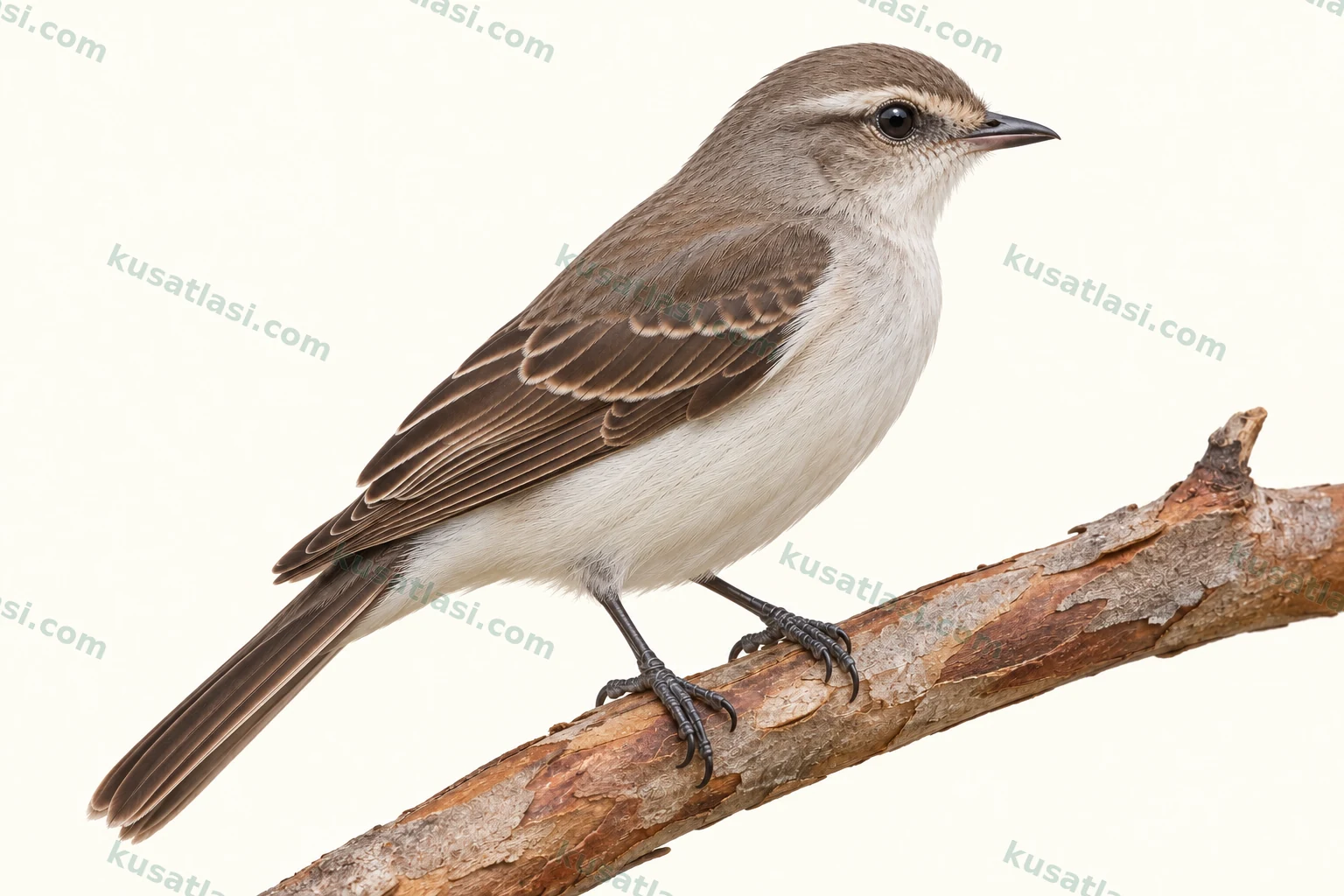
Swipe between the two adult plates.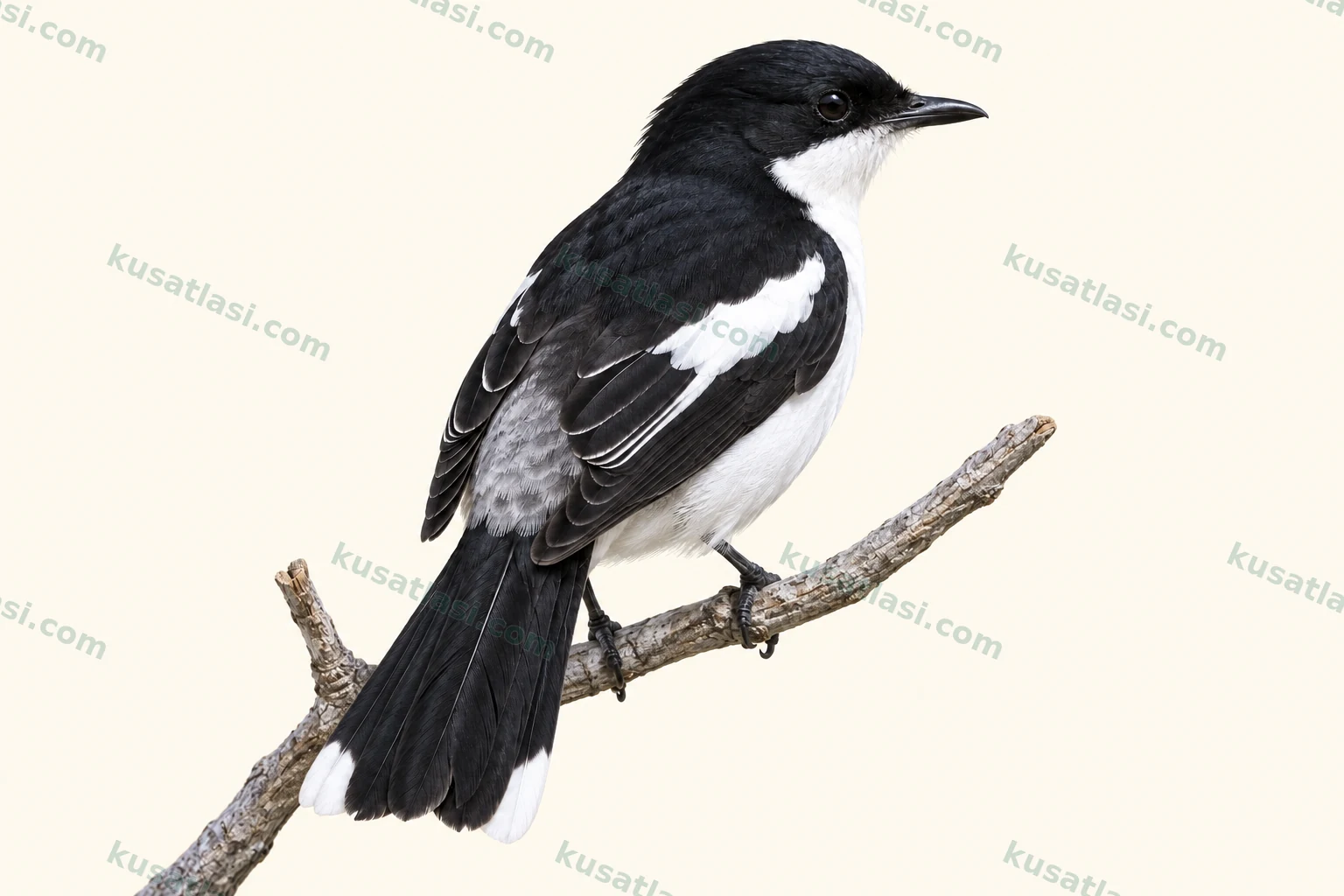
Campephagidae · Passeriformes
White-winged Triller
Lalage tricolor
Ak Kanatlı Tırtılyiyen
A breeding male has black-and-white plumage and a broad white wing patch.
- Order
- Passeriformes
- IUCN Status
- LCLeast Concern
Biometrics
Length
- Male
- 15–19 cm
- Female
- 15–19 cm
Wingspan
- Male
- 27–31.5 cm
- Female
- 27–31.5 cm
Weight
- Male
- 20.7–31.5 g
- Female
- 20.7–31.5 g
Detailed explanations of these measurements are available on our website, on the same species page.
At a Glance
- Bill
Short and slender.
- Wing
Broad white patch in breeding males.
- Identification
Assess eyebrow, wing and undertail together.
Brown birds may be females, young or non-breeding males.
Calendar
Southern Australian birds migrate seasonally; a whole-range monthly breeding calendar was not verified.
Species Information
Quick Identification
A breeding male has black-and-white plumage; females are brownish.
General Appearance and Posture
It is compact, with a short slender bill, long wings and a rounded tail tip.
Males, Females and Young Birds
Females are brownish. Non-breeding males resemble them, but dark flight feathers and a black tail help distinguish males. The Hunter regional guide in Australia describes streaked breasts in young birds; a brown individual is not necessarily female.
Appearance in Flight
Flight is undulating; after landing on a branch, it may shuffle and refold its wings.
Voice and Behaviour
In the north-western Australian study, males usually delivered their territorial song in flight.
Similar Species
When comparing Lalage leucomela, examine the eyebrow, wing pattern and undertail together. Australia’s Hunter guide emphasises its white eyebrow, two wing bars and rufous undertail coverts. An eyebrow alone is insufficient: non-breeding White-winged Trillers can also show one.
World Distribution
It is widespread on mainland Australia and occurs irregularly in Tasmania. The Cornell account recognises no subspecies.
Status Within Its Natural Range
The New Zealand specialist account documents a male observed at Dunedin between February and June 1969. That dated visit does not establish a resident New Zealand population.
Movements
Southern Australian birds generally move north in February–April and return in August–September. Some northern populations may be resident.
Breeding Habitat
In Australia it uses open woodland, lightly timbered country with sparse shrubs and grassy ground, and tree-lined waterways in semi-arid regions.
Nest Site
The small cup nest is placed on a horizontal branch or fork, with fine plant material bound by spider web. The Australian Museum reports clutches of 2–3. The 1966 north-western Australian study found two eggs in its clutches, with 14 days of incubation and 12 days in the nest. Those durations are findings from that regional study.
Daily Habitat Use
It occurs singly, in pairs or in loose small flocks on migration.
What It Eats
The Queensland specialist account from Australia lists caterpillars, spiders, beetles, grasshoppers, flies and moths, alongside fruit, seeds and occasional nectar.
How It Forages
It feeds on or near the ground, also gleaning from trees and shrubs and making short flights to catch insects.
Plumage Alone Does Not Date Breeding
The 1966 study in north-western Australia found breeding-plumaged and non-breeding-plumaged males at the same time. Individual moulting and breeding cycles were not synchronised.
Following One Pair
For a pair followed at Samford Lagoon, Queensland, Australia, in 2023–2024, both adults participated at the nest. The observer recorded only the female feeding fledglings on 15–23 January. This concerns one pair; it does not establish a universal day on which males cease care.