
Existing atlas plates
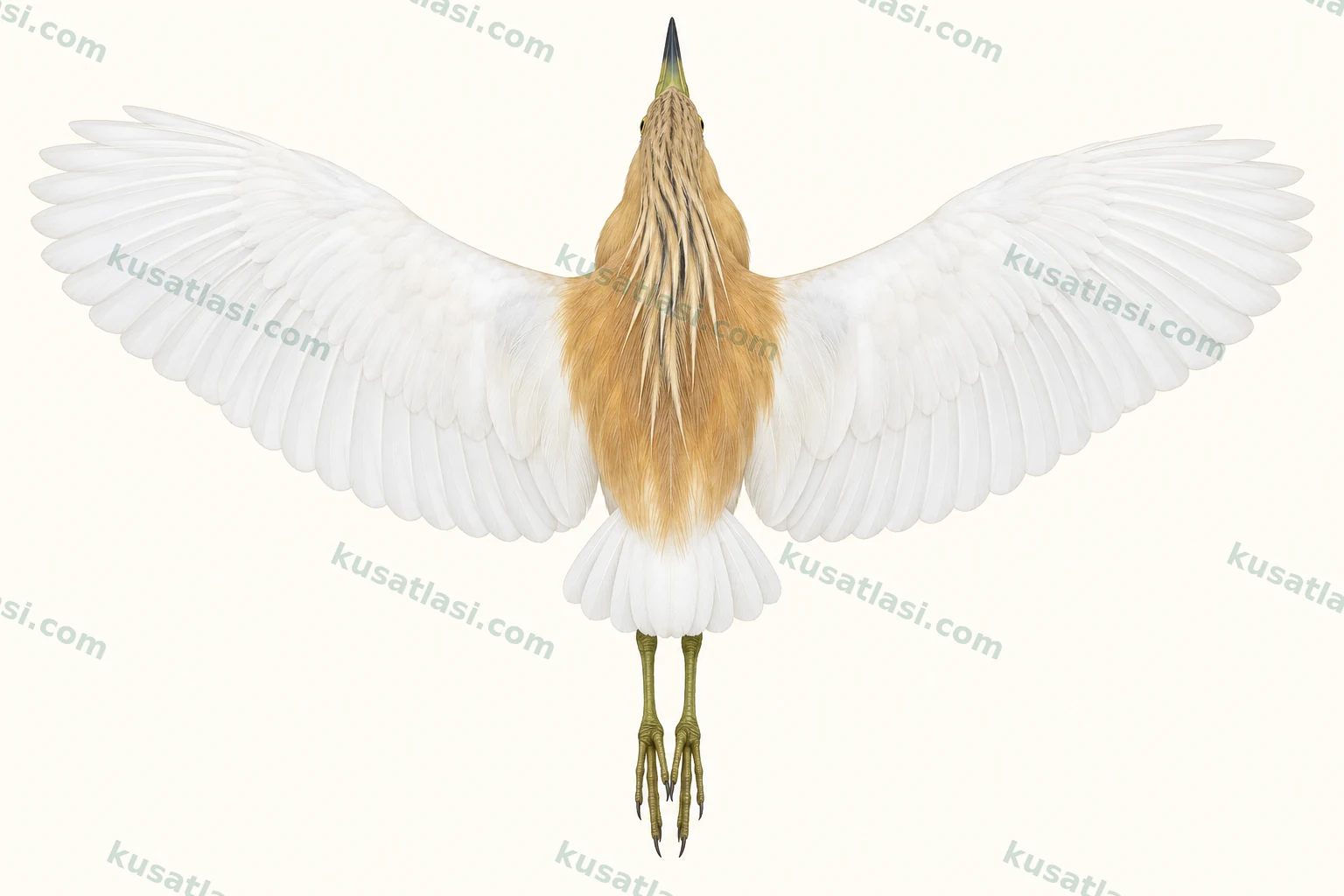
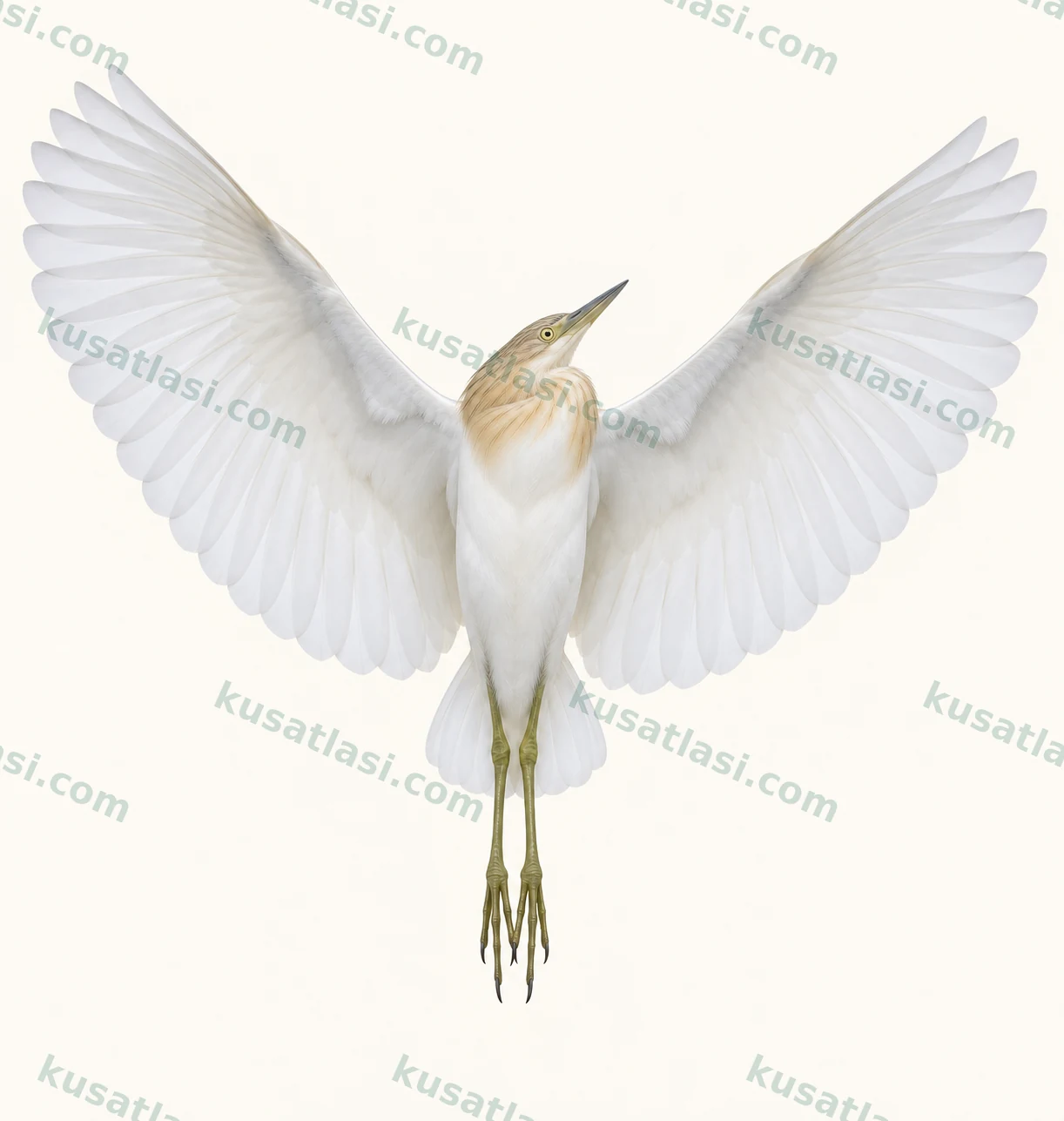
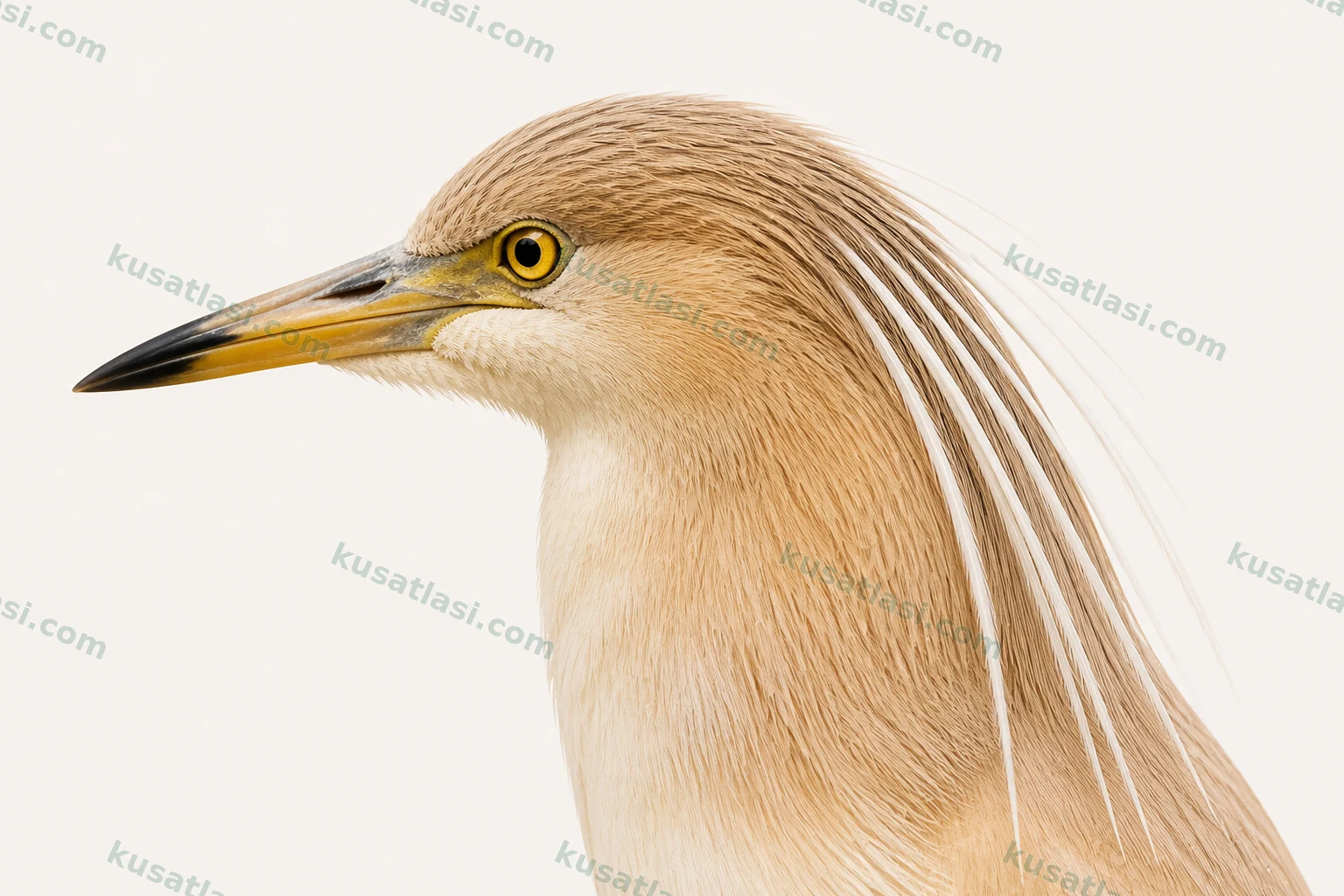
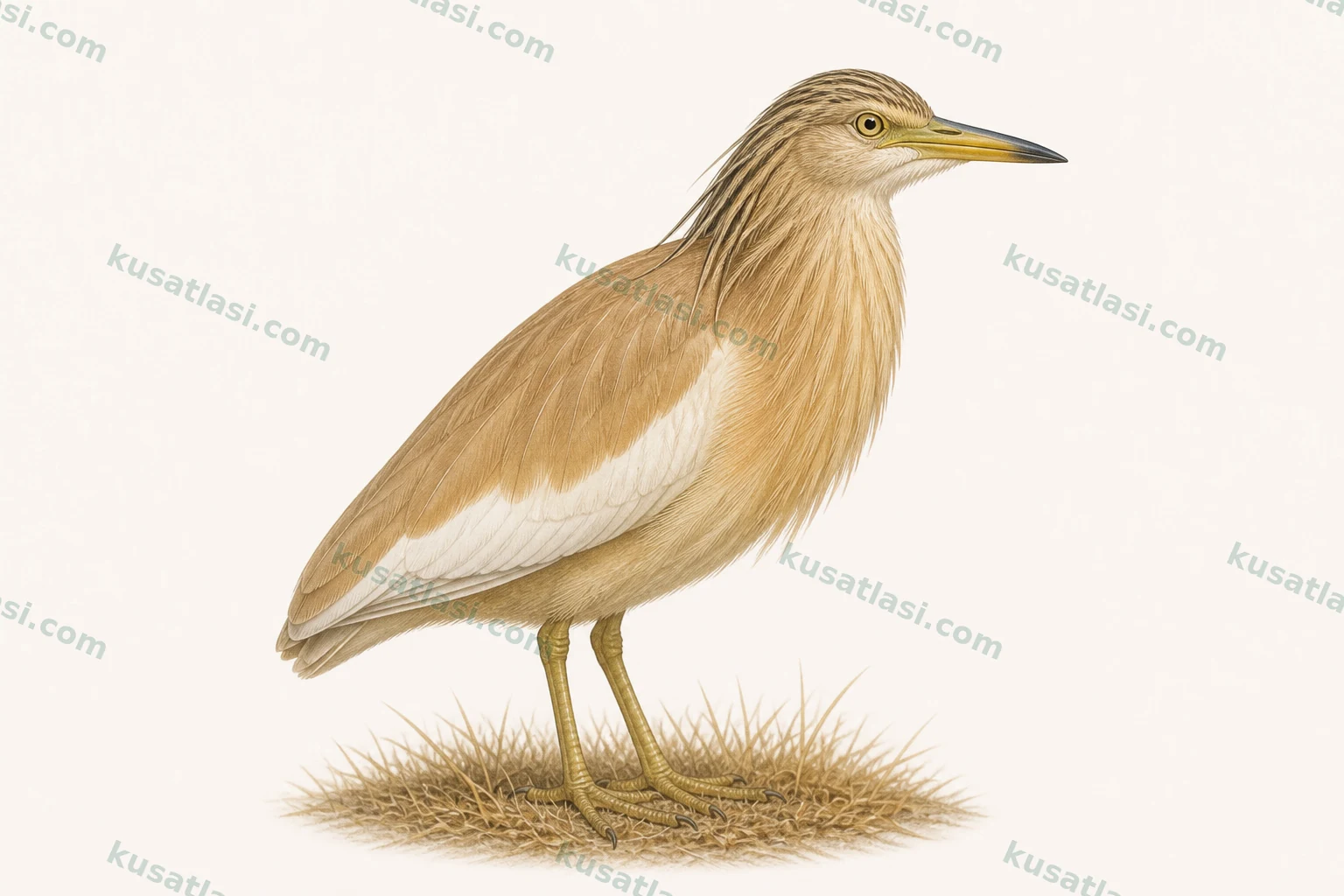
Squacco Heron identification views
Swipe left or right through all five plates.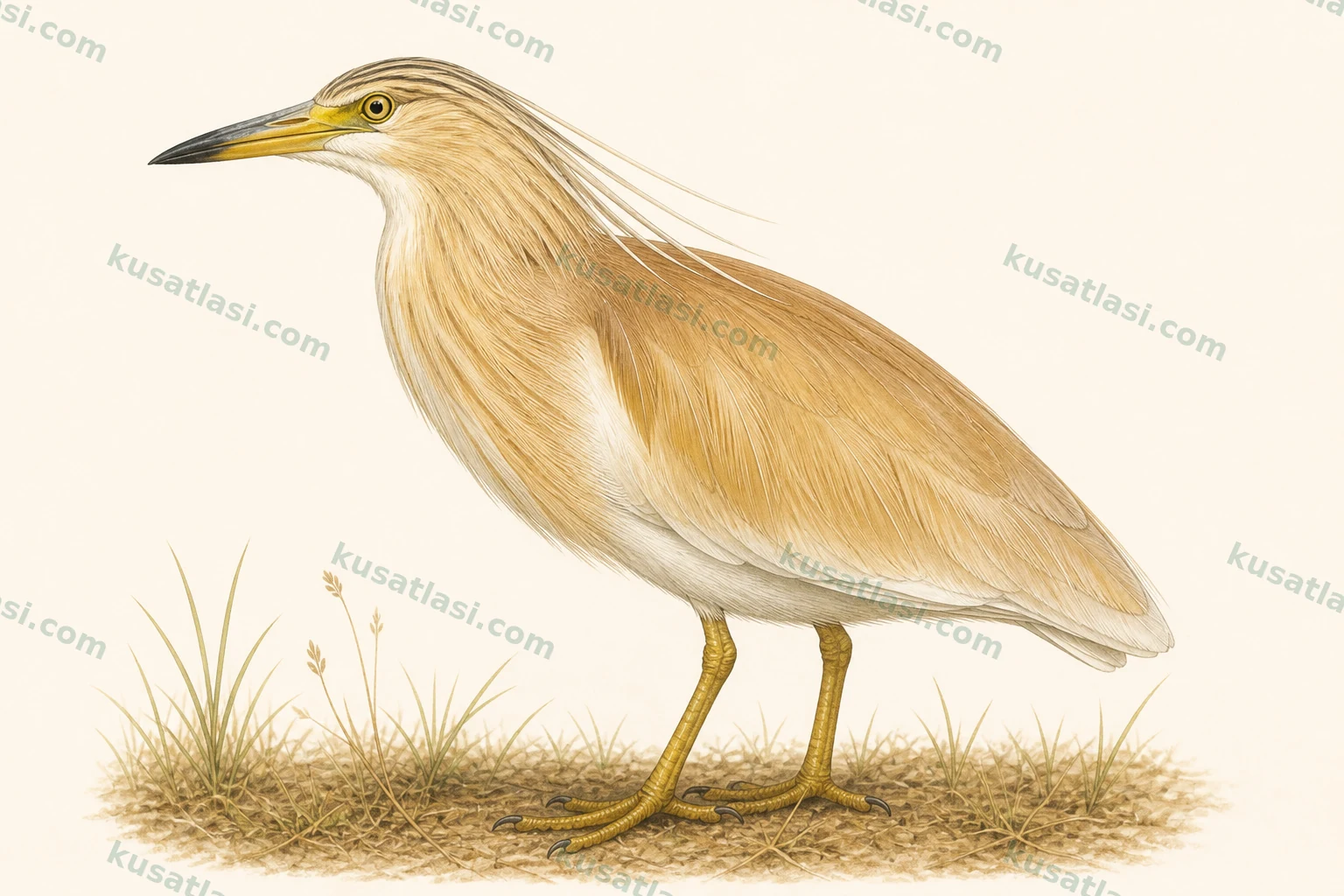
Herons, Egrets, and Bitterns
Squacco Heron
Ardeola ralloides
Alaca Balıkçıl
Small compact heron: buff-brown perched, white wings and tail in flight. Sexes similar; assess season and age.
- Order
- Pelecaniformes
- Conservation status
- LC Least Concern
First look in the field
Quick identification
- Brown at Rest, White in Flight
Squacco Heron is small and compact.
- Season before Sex
Adult sexes are not reliably separated by a simple plumage-colour key.
- Nesting
Stick or reed nests are placed in trees, shrubs or dense reeds near water, often in mixed heron colonies.
Biometrics
Length
- Male
- 44–47 cm
- Female
- 44–47 cm
Wingspan
- Male
- 80–92 cm
- Female
- 80–92 cm
Weight
- Male
- 230–370 g
- Female
- 230–370 g
Detailed explanations of these measurements are available on our website, on the same species page.
World distribution
Squacco Heron
Customize map layers
Observation Sites
Bird Atlas recordsLoading observations…
Monthly record intensity
12 monthsRecord intensity is affected by observation effort.
Rotate the globe and compare the supported layers. Colours show broad range areas, not exact sightings or nests.
- Jan
- Apr
- Jul
- Oct
- Dec
Generalised data and method
Basemap: Natural Earth (public domain).
Bibliography ↗Authentic bird sound and ethical use
Voice and listening
See the detailed species account below.
Spoken guide
Narration has not been recorded; no audio file has been created.
Observe without approaching the nest
Breeding
Stick or reed nests are placed in trees, shrubs or dense reeds near water, often in mixed heron colonies. Accounts differ: MNHN gives usually 4–6 eggs and SOR 2–4. Both parents incubate for about 22–24 days.
Scientific species guide
Detailed account
Brown at Rest, White in Flight
Squacco Heron is small and compact. Buff-brown head, neck and back dominate when perched, but white wings and tail appear on take-off. Following that change in the same bird helps identification; white wings alone are insufficient. Normal flight has the neck drawn back rather than stretched fully forward.
Season before Sex
Adult sexes are not reliably separated by a simple plumage-colour key. Breeding birds develop long nape plumes and may show blue-green bill bases with dark tips. Nonbreeding adults and young have more streaked necks and duller backs. A yellowish bill does not establish a female. MME values used here are 44–47 cm, 80–92 cm wingspan and 230–370 g, shared between sexes.
Nesting
Stick or reed nests are placed in trees, shrubs or dense reeds near water, often in mixed heron colonies. Accounts differ: MNHN gives usually 4–6 eggs and SOR 2–4. Both parents incubate for about 22–24 days. Flight develops roughly five to six weeks after hatching, with reported figures around 32–45 days; these are not exact dates for every Turkish nest.
Summer Visitor and Migrant
Squacco Heron breeds in suitable Turkish wetlands and occurs on passage. A feeding bird seen once is not proof of a nearby active nest. Spring arrival, summer breeding and late-season dispersal should be recorded separately rather than treating every sighting as the same activity.
Winter Is Not Impossible
The 2016 Sandgrouse regional report mentions a bird at Kurupelit harbour, Samsun, on 2 January as part of a series of winter records. That local, dated report does not establish widespread national wintering, but it prevents a categorical claim that every bird is outside Turkey all winter.
Dated Numbers and Routes
BirdLife's 2021 table gives 2,500–5,000 Turkish pairs for 2002–2012 using a partial estimate, not a 2026 census. Trends are uncertain. European and western Asian migrants use African wintering areas, but map dots are not tracked journeys. Calendar months indicate broad expectations that vary with local conditions, not exact routes or guaranteed dates.
Shallows beside Cover
Scan vegetated ponds, marsh edges and slow waterways rather than only the centre of a large lake. Reeds, shrubs or trees nearby provide shelter. A motionless buff-brown bird may blend with vegetation; combine compact shape, pointed bill and pale underparts before identifying it.
Nesting and Feeding Sites Differ
A secluded colony can lie away from an open feeding edge. Apparent silence does not prove that a colony is empty. Long toes help on soft ground and floating vegetation, but do not follow birds through these habitats or approach nests by boat for a better photograph.
Protect the Wetland Mosaic
Drainage, reed burning and disturbance may damage habitat. Rapid water-level changes affect both feeding shallows and nesting surroundings. Neither every lowering nor every rise is beneficial: the site's structure and season matter. Use established observation points and retain natural vegetation, feeding ground and a quiet colony buffer together.
More than Fish
Aquatic insects and larvae, small fish and amphibians are used, with molluscs and terrestrial insects also possible. The name heron does not imply an exclusively fish diet. If prey cannot be resolved, record a small item rather than inventing its identity.
Waiting and Striking
A bird may stand with its neck gathered or advance slowly, then make a rapid strike. Remaining still can be part of hunting, not inactivity. Approaching to make it walk or fly interrupts feeding. Food composition varies between sites, seasons and breeding stages, so no fixed national percentages are given here.
Provisioning at Distance
During breeding, feeding adults may also be supporting young. Record prey group, habitat and action separately and avoid following return flights into colonies. Artificial feeding is unnecessary: do not offer bread, pet food or captured live prey to attract the bird. Maintaining natural feeding habitat supports observation without manipulation.
A Striking Transformation
Folded wings are partly concealed by the warm-coloured upperparts. Opening them reveals broad white surfaces, making the bird look suddenly different. Confirm head, body and tail rather than assigning every distant white-winged bird to this species.
Shape and Colour Change
The neck is gathered at rest, extended during a feeding strike and drawn back in normal flight. These are postures, not sex differences. Blue-green bill colour and long nape plumes are associated with breeding condition and are not permanent requirements. A yellowish bill does not identify a female.
Colonies and Solitary Feeding
Nesting alongside other herons can coexist with individuals feeding apart. A few solitary birds do not disprove a nearby colony. Existing illustrations have recorded dark-wingtip and flight-posture problems; they remain unchanged as instructed. Learn verified field characters rather than treating protected artwork as infallible.
Text and plates come from existing atlas records; references are in the central bibliography.
Open bibliography