
Existing atlas plates
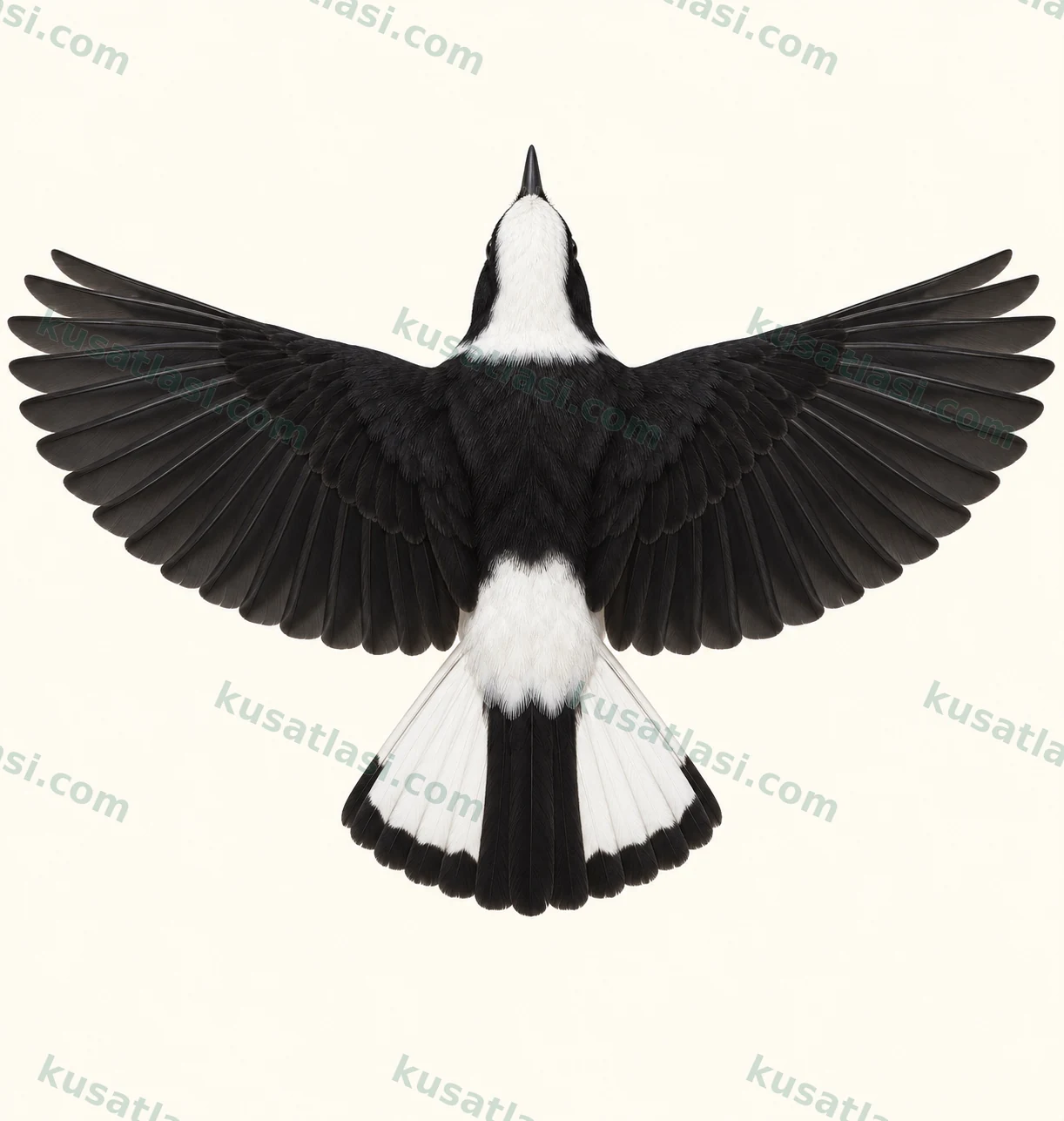
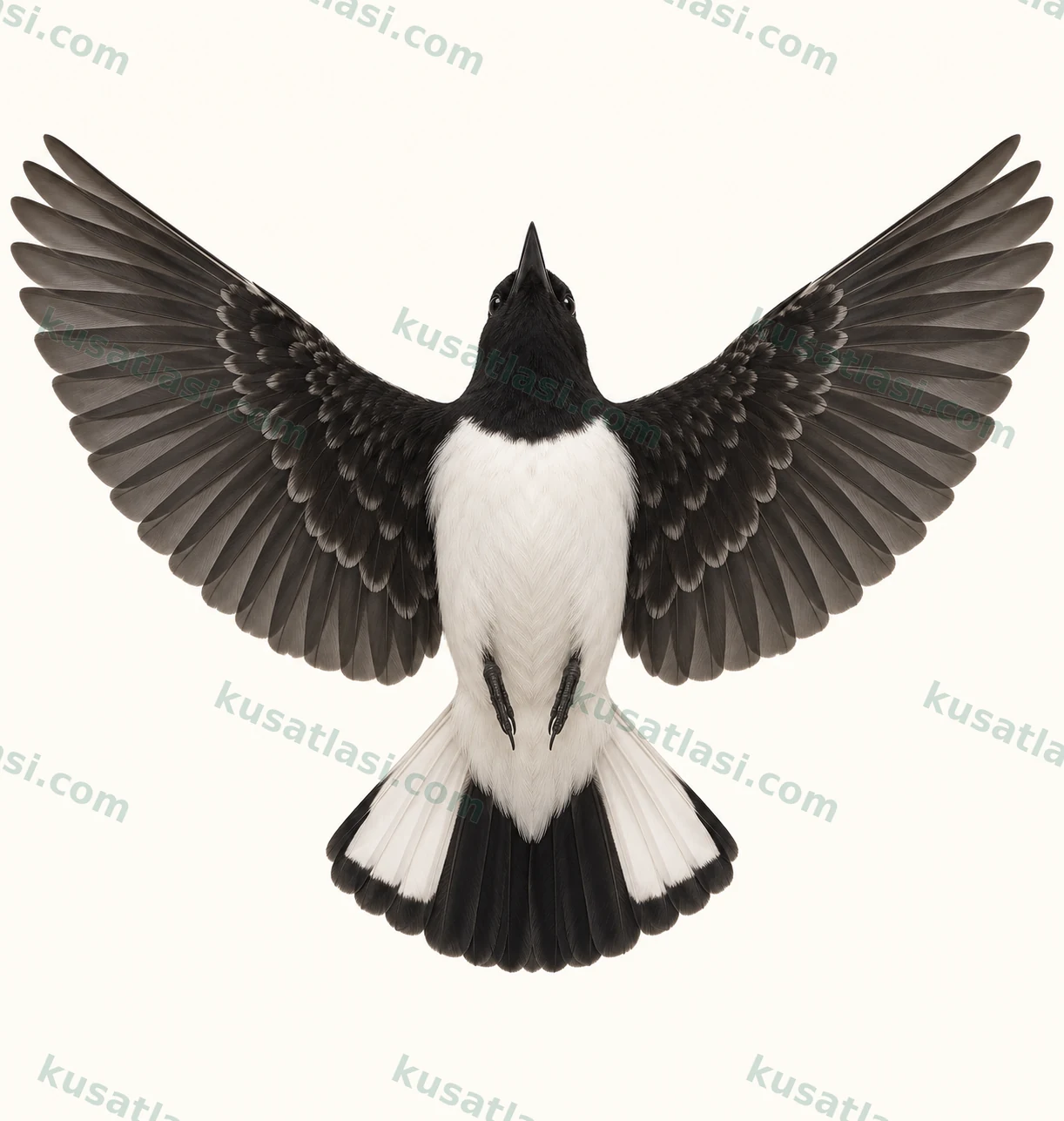
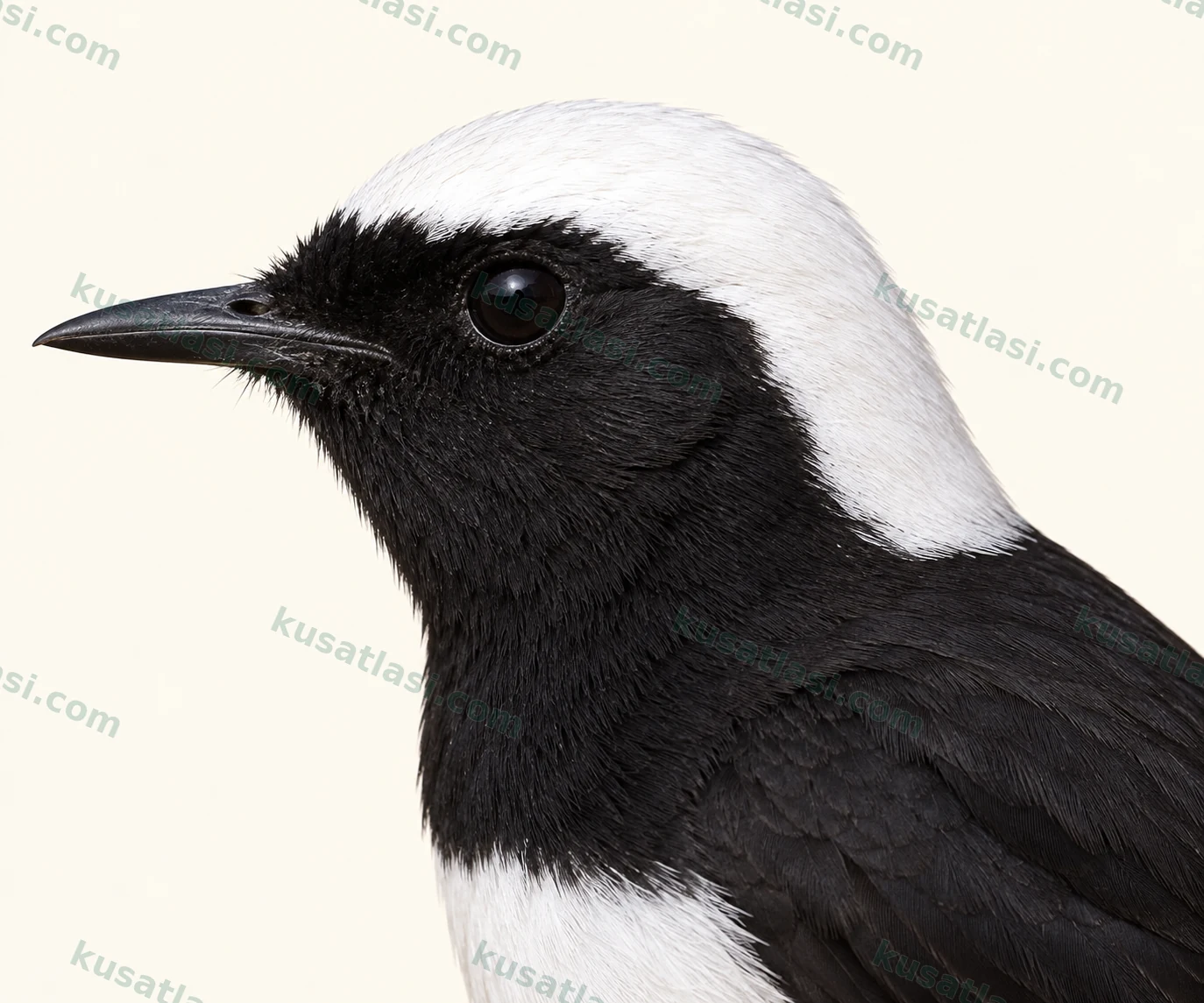
Pied Wheatear identification views
Swipe left or right through all five plates.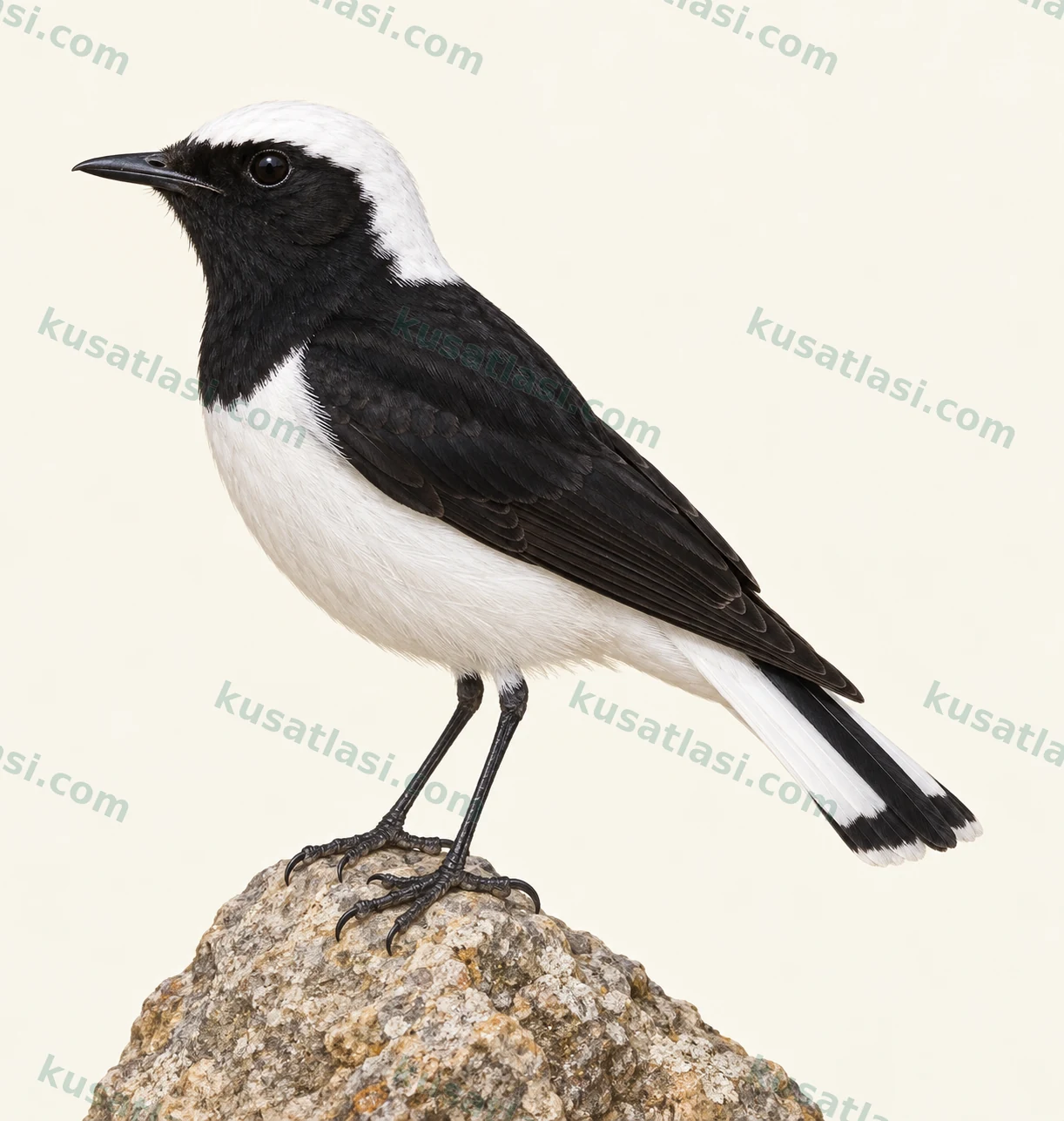
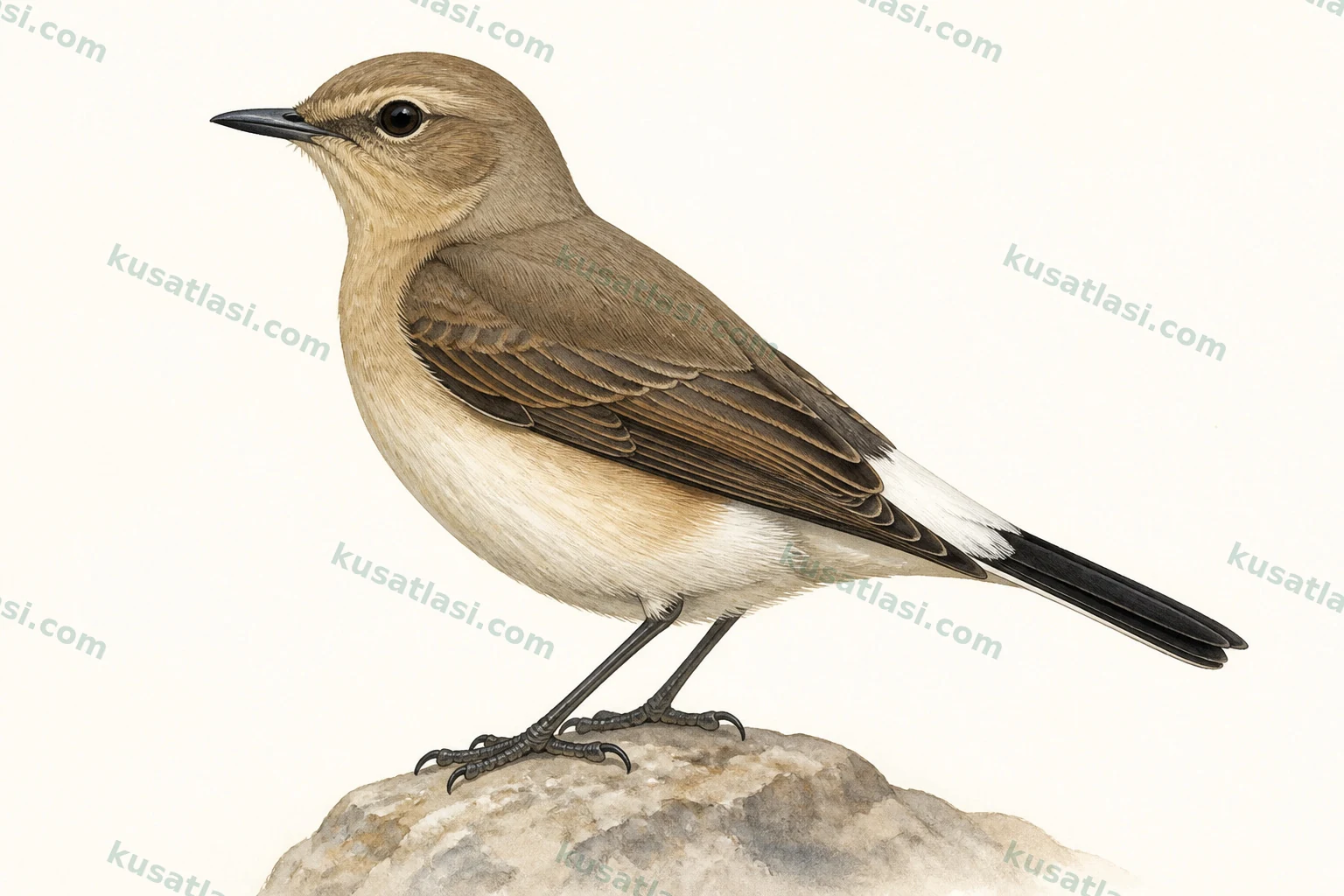
Old World Flycatchers
Pied Wheatear
Oenanthe pleschanka
Alaca Kuyrukkakan
Breeding male has a pale crown, dark back and connected dark face-to-wing pattern; female browner. Tail pattern alone is insufficient.
- Order
- Passeriformes
- Conservation status
- LC Least Concern
First look in the field
Quick identification
- Read Head and Back Together
The breeding male combines a pale crown with dark back and wings; the dark face connects towards the shoulder.
- Female, Age and Measurements
Females and immature birds are browner; age, season and fresh feather edges must be assessed before assigning sex.
- Nesting Biology
A plant cup lined with hair or wool is placed in a small sheltered cavity.
Biometrics
Length
- Male
- 14 cm
- Female
- 14 cm
Wingspan
- Male
- 25–27 cm
- Female
- 25–27 cm
Weight
- Male
- 12–23 g
- Female
- 12–23 g
Detailed explanations of these measurements are available on our website, on the same species page.
World distribution
Pied Wheatear
Customize map layers
Observation Sites
Bird Atlas recordsLoading observations…
Monthly record intensity
12 monthsRecord intensity is affected by observation effort.
Rotate the globe and compare the supported layers. Colours show broad range areas, not exact sightings or nests.
- Jan
- Apr
- Jul
- Oct
- Dec
Generalised data and method
Basemap: Natural Earth (public domain).
Bibliography ↗Authentic bird sound and ethical use
Voice and listening
See the detailed species account below.
Spoken guide
Narration has not been recorded; no audio file has been created.
Observe without approaching the nest
Breeding
A plant cup lined with hair or wool is placed in a small sheltered cavity. Usually 4–6 eggs are incubated by the female for about 13–14 days. Young leave after roughly two weeks and still receive care. These general figures are not a verified local nesting calendar for every Turkish region.
Scientific species guide
Detailed account
Read Head and Back Together
The breeding male combines a pale crown with dark back and wings; the dark face connects towards the shoulder. A pale rump and underside complete the pattern. Black throat alone cannot identify it among similar wheatears, and throat appearance can vary.
Female, Age and Measurements
Females and immature birds are browner; age, season and fresh feather edges must be assessed before assigning sex. The protected comparison images have different poses and scales, not a measured size difference. MME gives 14 cm length, 25–27 cm wingspan and 12–23 g, shared between sexes rather than a Turkish sex-specific sample.
Nesting Biology
A plant cup lined with hair or wool is placed in a small sheltered cavity. Usually 4–6 eggs are incubated by the female for about 13–14 days. Young leave after roughly two weeks and still receive care. These general figures are not a verified local nesting calendar for every Turkish region.
Turkey: Passage and Limited Breeding Evidence
Pied Wheatear should not be described as a common breeder on every Turkish rocky slope. Historical reports emphasise passage, particularly in eastern areas, and the need to document definite breeding. Some older southern records were confused with Cyprus Wheatear.
A Dated Estimate
BirdLife's 2021 assessment includes a Turkish estimate of 100–500 breeding pairs based on 2002–2012 expert information. This is neither a current census nor proof of nests everywhere; national trend data are insufficient. Keep its period and evidence quality attached to the number.
Range Is Not a Tracked Route
The species migrates between Eurasian breeding areas and northeastern Africa/Arabia. A Turkish bird's individual origin and destination cannot be determined from its plumage. Map records are not a tracked journey. In passage, document several views, natural sound and date; a summer sighting alone does not establish local nesting.
Rock and Open Ground
Sparse vegetation and rocky open slopes provide the setting. Scan the short grass and bare ground beside exposed lookout points, not only the highest rocks. The bird may feed well below its first visible perch.
Stopover Is Not a Nest Site
A migrant using suitable feeding ground need not breed there. Record repeated presence and actual breeding behaviour separately. Never probe crevices, lift stones or insert cameras into potential nest holes. If a food-carrying bird hesitates, move away and protect sensitive locations.
Retain the Habitat
Rock destruction can remove suitable habitat. An abandoned quarry may later offer opportunities, but this does not make opening a new quarry beneficial. Respect access restrictions and unstable rock faces. Do not move stones or remove vegetation to improve photographs; natural behaviour can be watched without reshaping the site.
Small Prey
Insects and other small invertebrates matter in the diet. A tiny object in the bill rarely supports a precise prey identification. Record general feeding if detail is unresolved; standing on the ground is not itself proof of feeding.
Watch from a Distance
Birds can descend from exposed perches to take ground prey and make short aerial sallies. Wait at a respectful distance instead of following every move. Similar wheatears also use this technique, so behaviour alone is not diagnostic.
Season and Responsible Observation
Some small fruit and seeds may be taken outside breeding, without making this chiefly a seed-eater. No nationwide Turkish dietary percentages are asserted here. Avoid bait, leave food-carrying adults an unobstructed route and distinguish simultaneous bird numbers from repeated sightings of one individual. State uncertainty when prey cannot be identified.
One Pale Patch Is Not Enough
Other wheatears can have a pale head and black-and-white plumage. Check the male's dark back and connected face-to-shoulder pattern, while allowing for age and seasonal plumage. Brown birds need a more cautious assessment.
Tail Pattern Needs Context
The inverted-T idea is shared by several wheatears. A fleeting angle or partly closed tail can mislead; wait for natural movement instead of flushing the bird. Several photographs of one individual do not equal several birds, and unknown sex is better than an unsupported label.
Limits of These Protected Illustrations
The upper-flight drawing lacks the black outer-tail tips. The head close-up and pale male underwing areas also conflict with normal diagnostic features. Issues were recorded without editing the protected files. Do not learn those details from the drawings; use the written cautions and independently documented views of real birds.
Text and plates come from existing atlas records; references are in the central bibliography.
Open bibliography