
Existing atlas plates
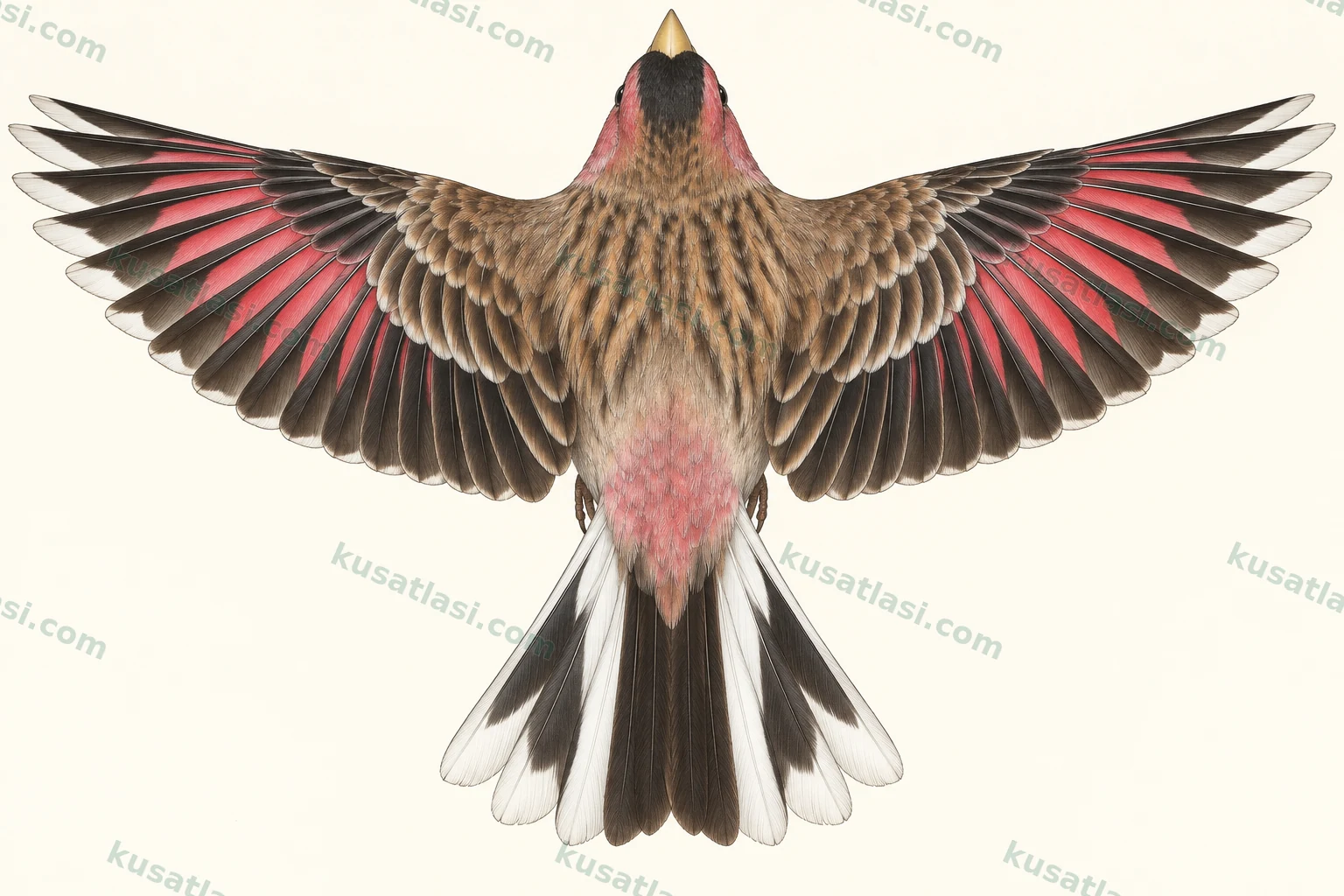
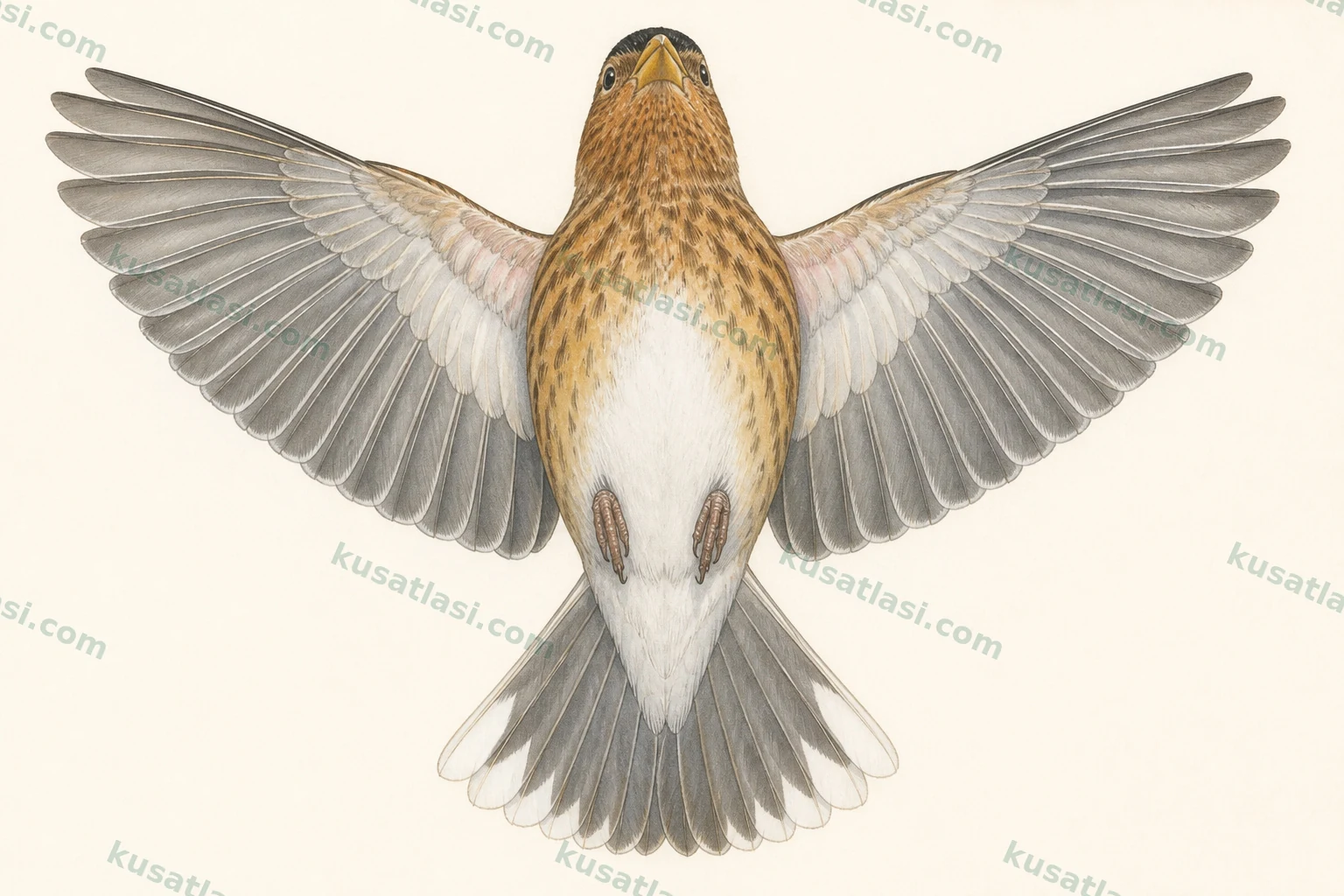
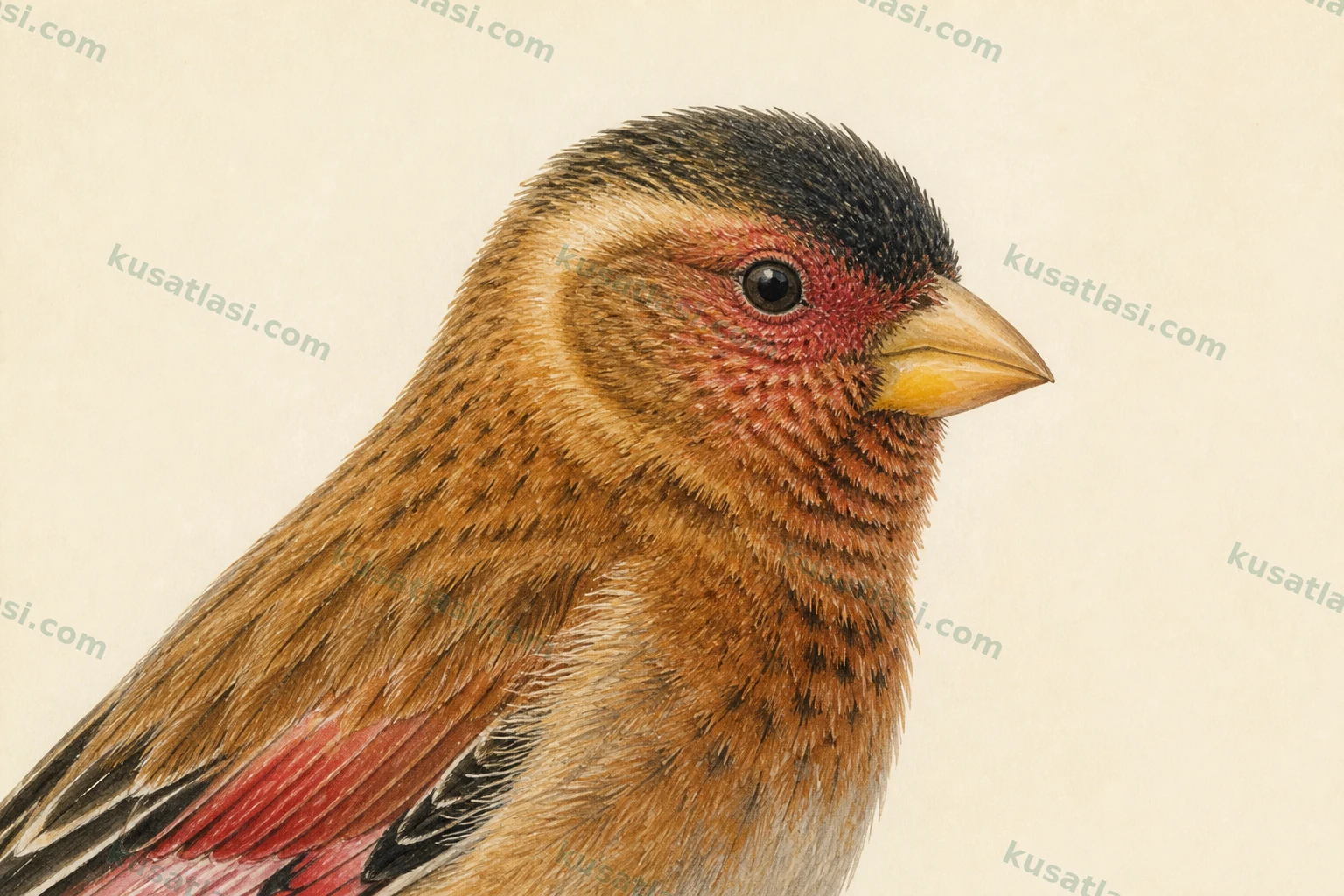
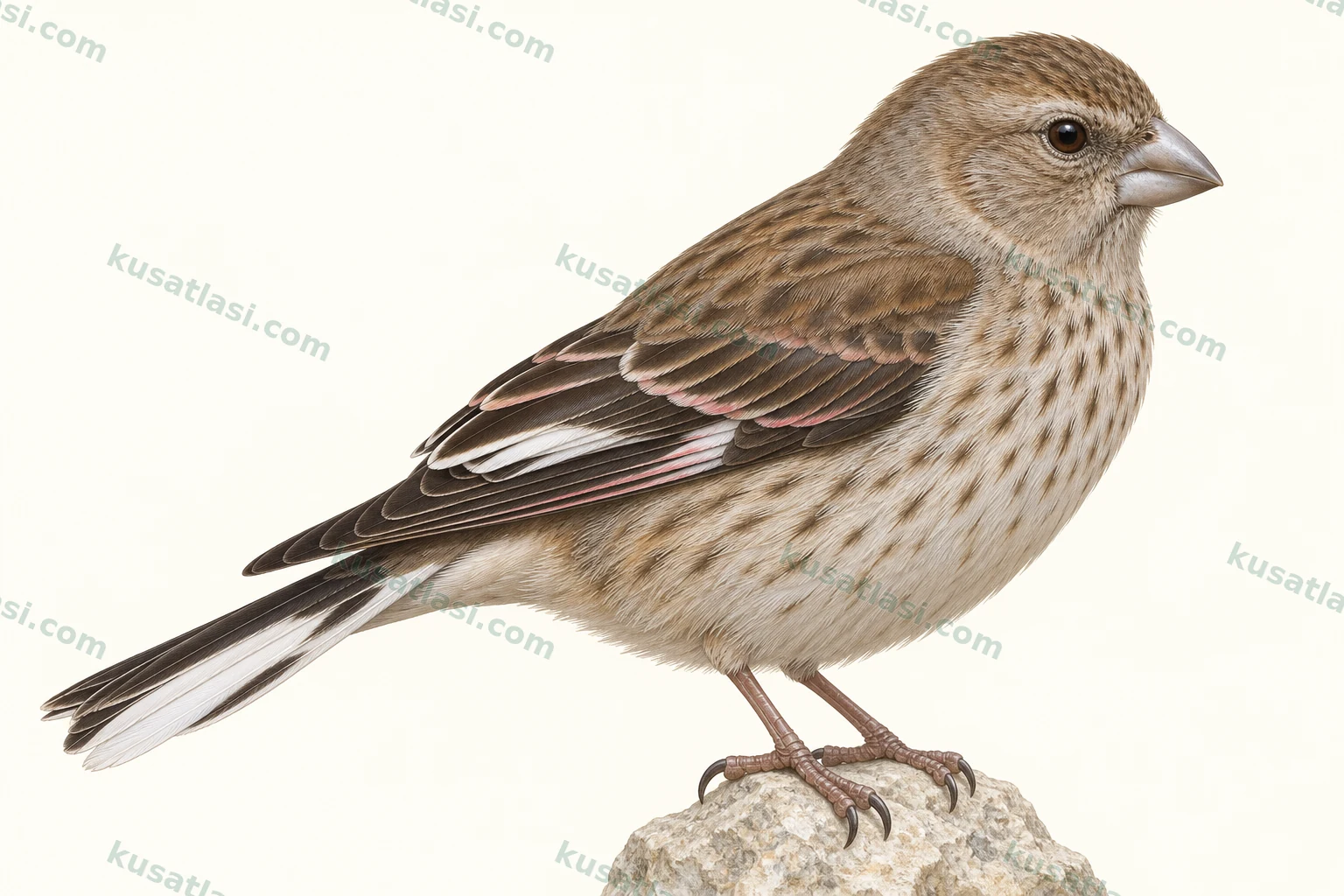
Crimson-winged Finch identification views
Swipe left or right through all five plates.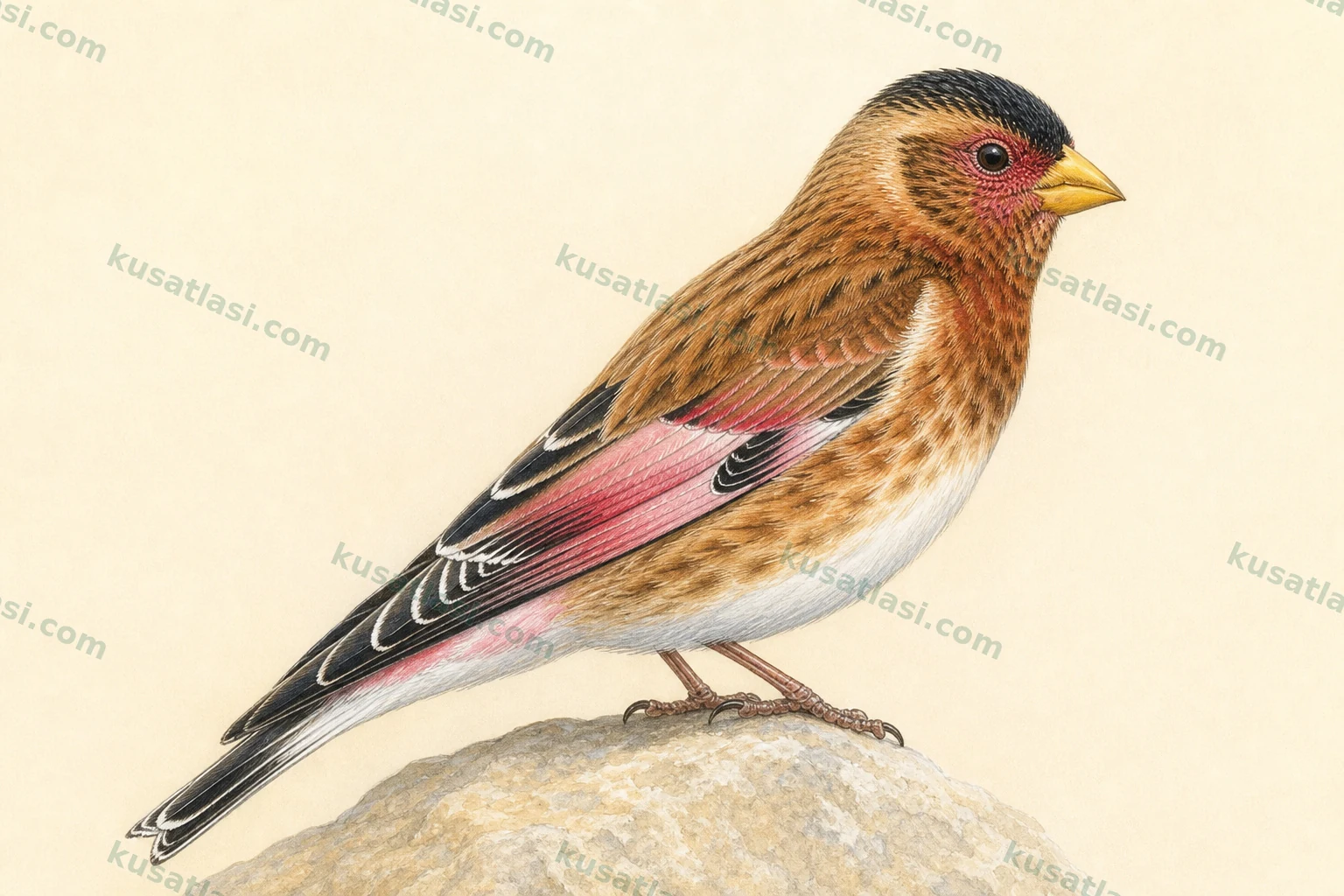
Finches, Euphonias, and Allies
Crimson-winged Finch
Rhodopechys sanguineus
Alamecek
Stocky mountain finch with a heavy bill, brown back, male dark cap and pink-and-white wing pattern.
- Order
- Passeriformes
- Conservation status
- LC Least Concern
First look in the field
Quick identification
- Pink among the Rocks
A stocky mountain finch with a heavy bill, brown upperparts and striking pink in the wings.
- Sex, Age and Season
Females have a less marked cap and duller, narrower pink with more white in the wing.
- A Sheltered Ground Nest
A grass-and-root cup may sit under a rock, in a crevice or beneath low vegetation.
Biometrics
Length
- Male
- About 16 cm
- Female
- About 16 cm
Wingspan
- Male
- 30–34 cm
- Female
- 30–34 cm
Weight
- Male
- 37–38 g
- Female
- 37–38 g
Detailed explanations of these measurements are available on our website, on the same species page.
World distribution
Crimson-winged Finch
Customize map layers
Observation Sites
Bird Atlas recordsLoading observations…
Monthly record intensity
12 monthsRecord intensity is affected by observation effort.
Rotate the globe and compare the supported layers. Colours show broad range areas, not exact sightings or nests.
- Jan
- Apr
- Jul
- Oct
- Dec
Generalised data and method
Basemap: Natural Earth (public domain).
Bibliography ↗Authentic bird sound and ethical use
Voice and listening
See the detailed species account below.
Spoken guide
Narration has not been recorded; no audio file has been created.
Observe without approaching the nest
Breeding
A grass-and-root cup may sit under a rock, in a crevice or beneath low vegetation. Usually 4–5 eggs are incubated by the female for about 13–15 days. Do not lift stones or wait at an entrance.
Scientific species guide
Detailed account
Pink among the Rocks
A stocky mountain finch with a heavy bill, brown upperparts and striking pink in the wings. Adult males combine a dark cap, pink foreface and pale central belly. Pink alone does not separate it from other finches.
Sex, Age and Season
Females have a less marked cap and duller, narrower pink with more white in the wing. Young birds are sandy and show little pink. Fresh feather edges can conceal stronger colours, so do not assign sex from brightness alone.
Biometrics
Length is approximate. Conflicting mass figures were not combined into an invented range; separate Turkish sex measurements were not verified.
A Sheltered Ground Nest
A grass-and-root cup may sit under a rock, in a crevice or beneath low vegetation. Usually 4–5 eggs are incubated by the female for about 13–15 days. Do not lift stones or wait at an entrance.
Turkish Mountain Country
Suitable rocky mountains of central, southern and eastern Anatolia are important. Elevation alone does not establish presence: inspect openness, rock structure and seed-bearing vegetation. Record the habitat and season, not just the province.
Lower Ground in Winter
Flocks may descend to foothills and cultivated areas. Snow and food access vary between years; no single valley or international route is assigned here. Independent map records do not reveal individual travel distances.
Dated Estimates and an Exceptional Record
BirdLife's 2021 table lists 50,000–200,000 Turkish breeding pairs for 2013–2019, with deficient data. Its 96% share refers to the European assessment, not the world; both Turkish trend periods are unknown. These are not 2026 counts. A published first Cyprus record involved five birds on 27 November 2010, but an exceptional sighting does not prove a regular route from Turkey.
Rocks with Sparse Seed Plants
Search open stony slopes and scree, including small patches of vegetation between rocks. Bare rock and seed-bearing ground are not equivalent. A brown bird standing still may be difficult to see; scan at ground level from a stable position.
Winter Foothills
Lower rocky ground and agricultural margins may be used in colder months. Record flock size and feeding behaviour rather than treating one visit as the entire winter pattern. Snow cover and cultivation can alter access to food.
Small Sheltered Nest Sites
Rock overhangs, crevices and grass clumps can conceal a nest. Remain on paths where breeding is suspected, never move rocks for photographs and leave adults clear access. At water points, watch from farther away rather than blocking arrivals. Habitat notes such as sparse grass among stones are more informative than simply writing mountain.
Mainly Seeds
The bird gathers seeds on open ground and in low vegetation. A heavy bill does not identify the plant being eaten. If the item is unresolved, record seed-feeding rather than inventing a species.
Flocks on the Ground
Outside breeding, groups may use the same feeding patch. Avoid counting returning individuals twice and allow for birds hidden behind vegetation. Distinguish feeding, resting and passage when describing site use.
Seasonal Access and Natural Observation
Snow can cover high-ground food, while lower open areas offer different conditions. Small amounts of invertebrates are also reported, but a fixed Turkish dietary percentage was not verified. Do not transfer another finch's menu to this one. Avoid baiting or repeated approaches near nests. Record provisioning only when observed, without guessing the contents of an adult's food load.
Names Need Context
Asian and Eurasian Crimson-winged Finch occur in literature with different treatments of African birds. This page follows the Turkish committee's Alamecek–Rhodopechys sanguineus identity. Mongolian Finch, Bucanetes mongolicus, is a separate species, not a translation-based synonym.
Wear Changes Appearance
Fresh pale feather edges can partly hide stronger colours. Comparing photographs from different seasons without considering wear can exaggerate apparent differences. Brightness alone does not settle age or sex.
A Historical Breeding Clue
Kirwan's 1998 Karadağ paper reports six birds, including a fledged juvenile, in June 1996. This is useful dated evidence, not proof of present occupancy. The protected female plate's red block and dorsal flight colour placement conflict with references; outer-tail white is also problematic. Opposite male/female poses complicate the slider. Findings were logged without altering artwork or pins.
Text and plates come from existing atlas records; references are in the central bibliography.
Open bibliography