
Existing atlas plates
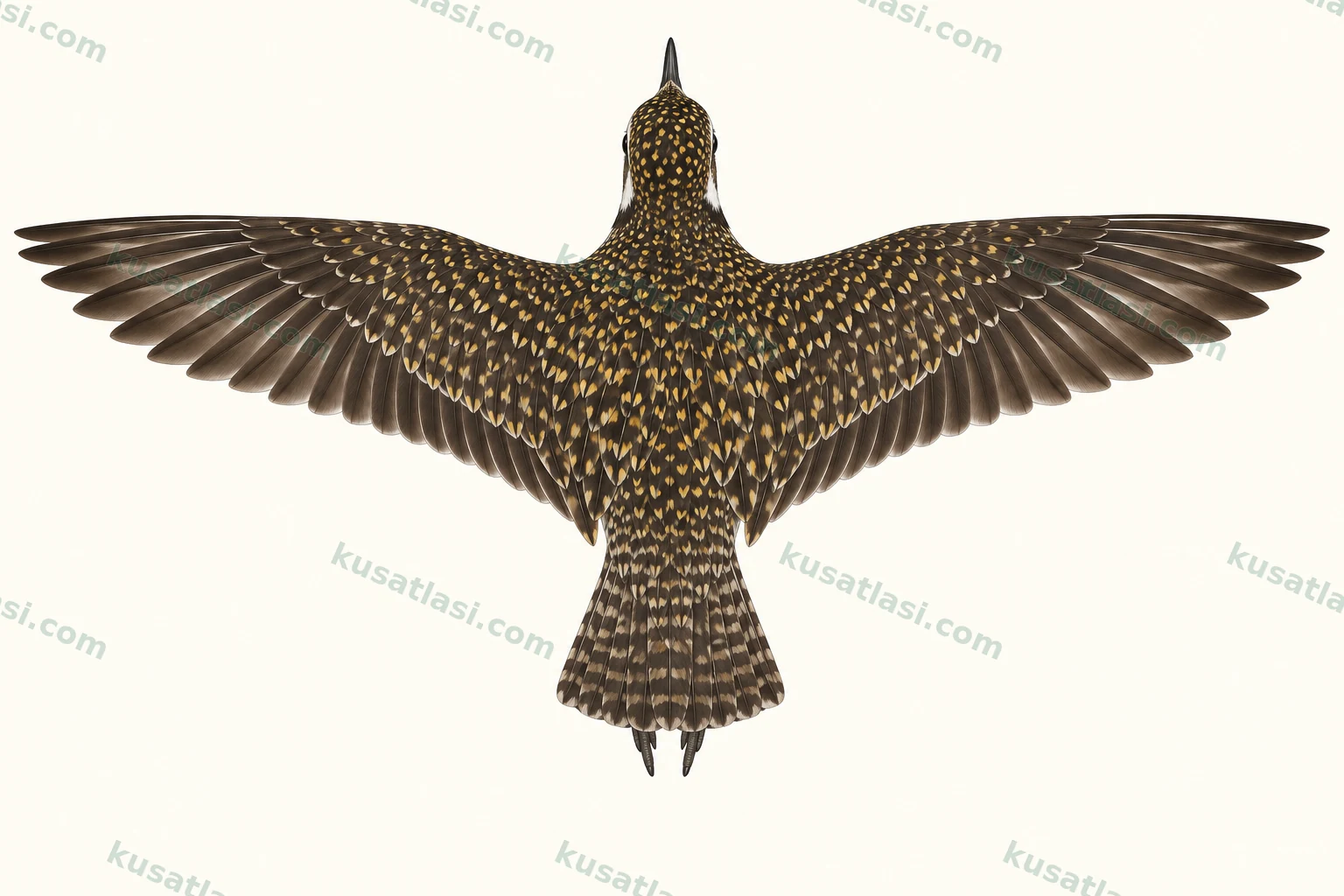
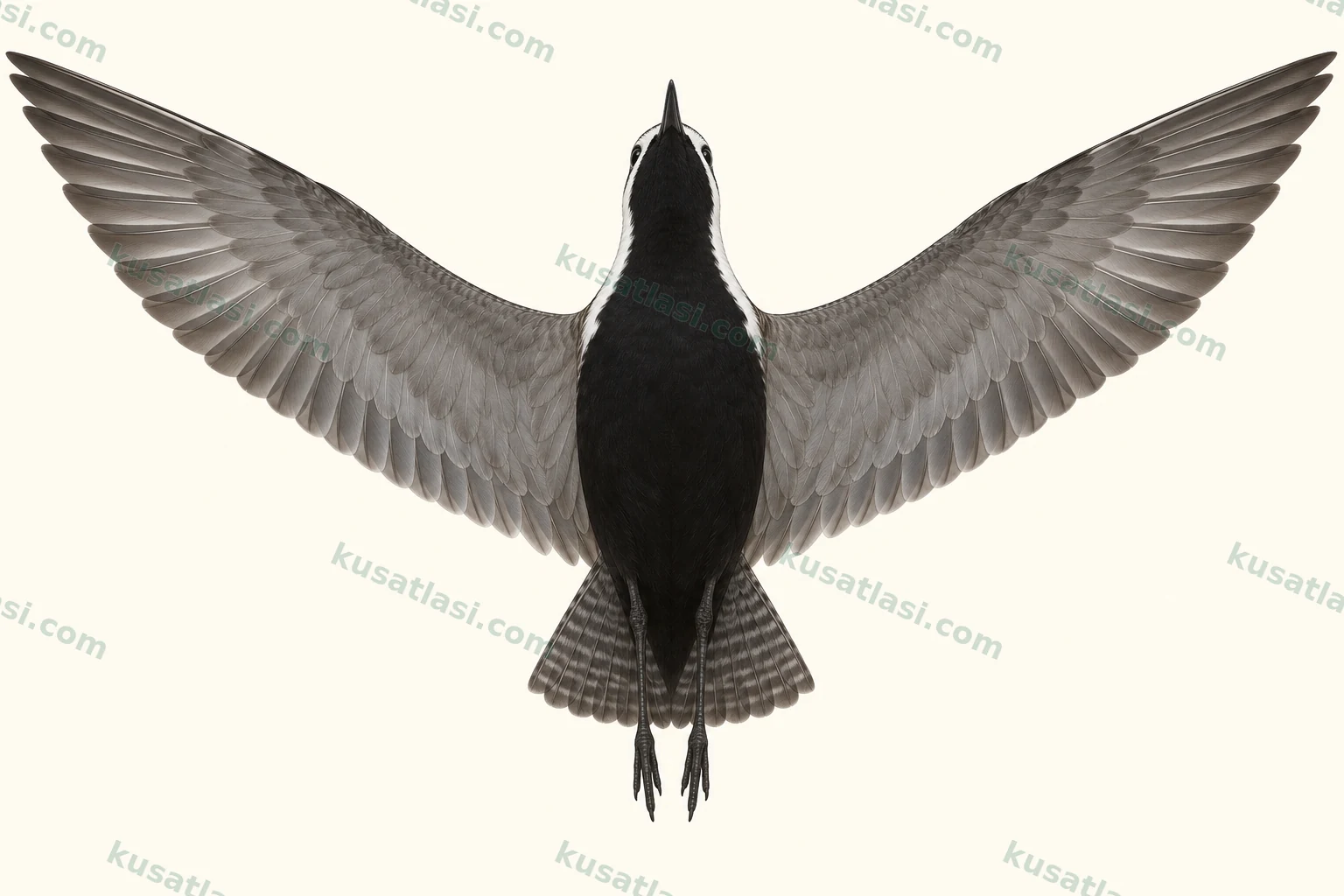
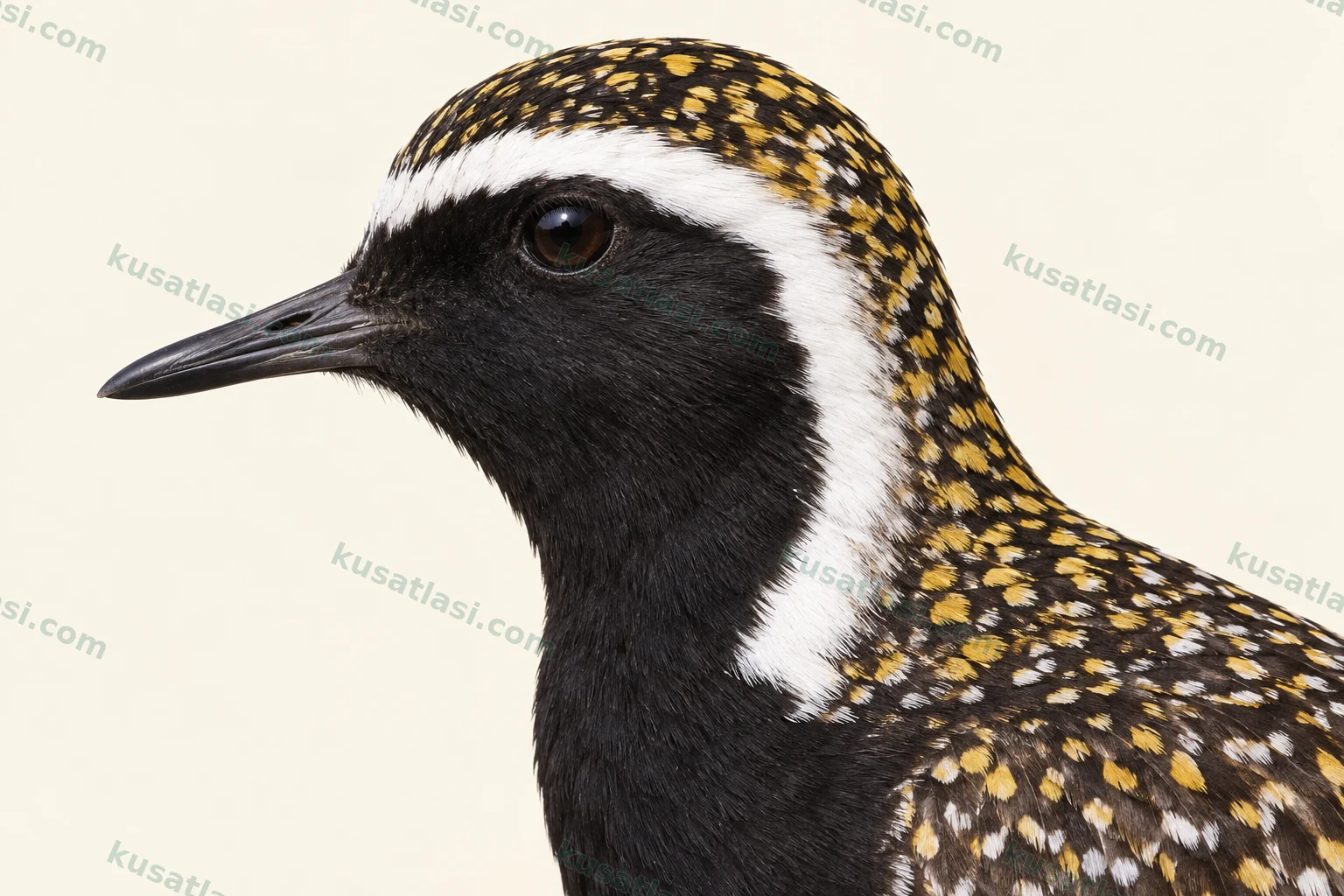
American Golden-Plover identification views
Swipe left or right through all five plates.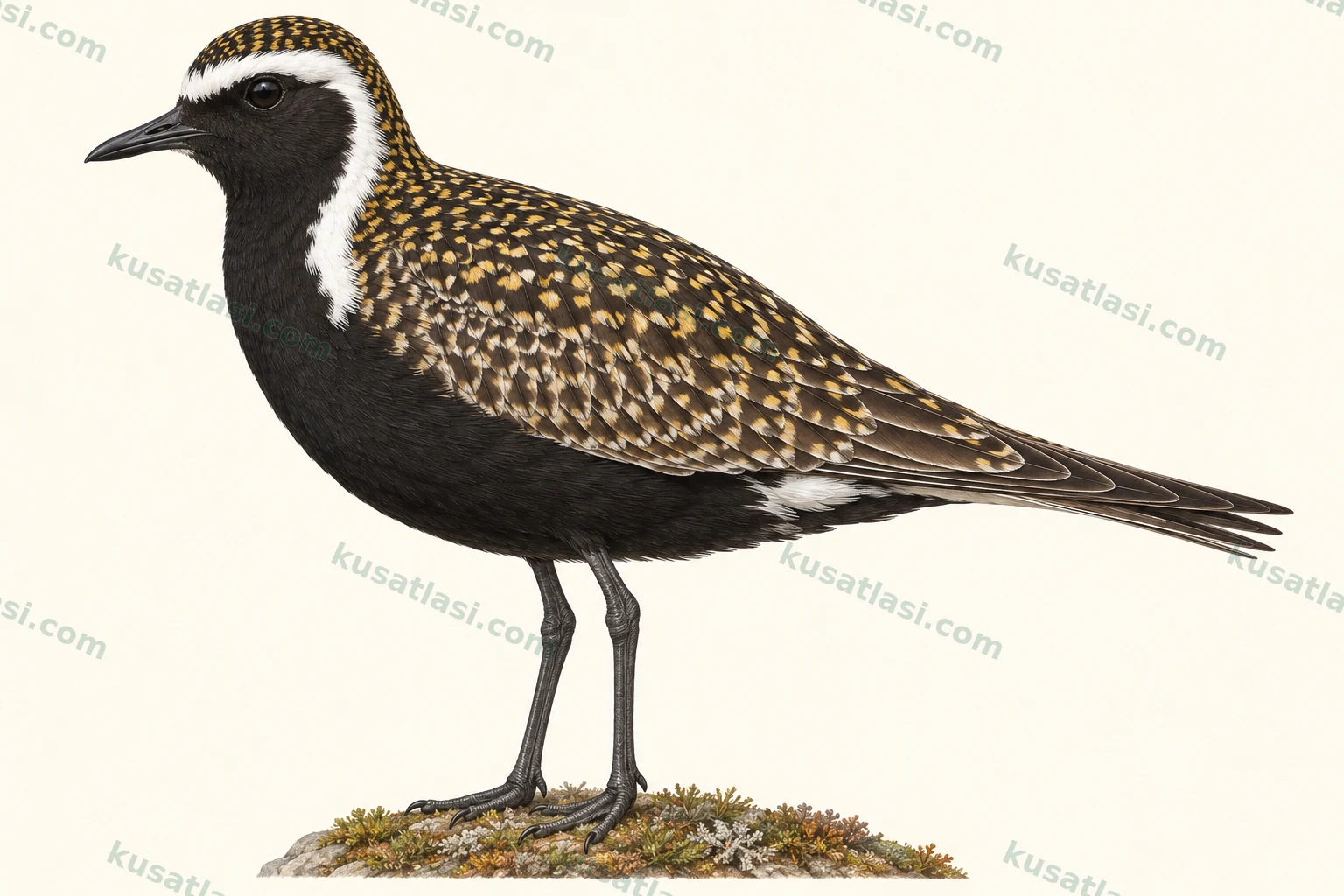
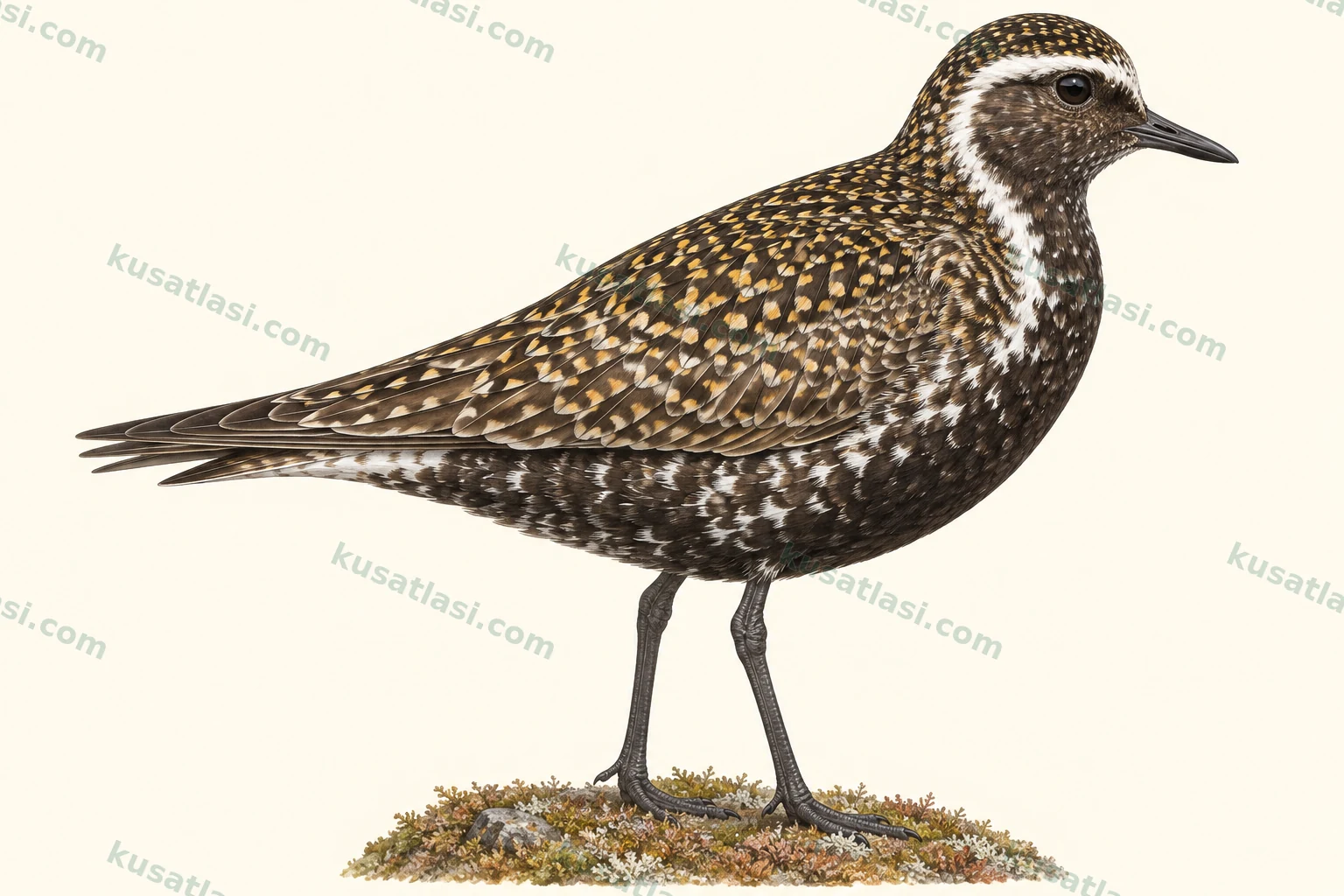
Plovers and Lapwings
American Golden-Plover
Pluvialis dominica
Amerika Altın Yağmurcunu
Long-winged vagrant; verify structure, age-appropriate flank pattern and underwing together.
- Order
- Charadriiformes
- Conservation status
- LC Least Concern
First look in the field
Quick identification
- A Slender, Long-winged Plover
Judge structure before golden colour: a fine bill and long folded wing matter together.
- Sex, Age and Season
Females and moulting birds can show white mixed into dark areas.
- Measurements and Nesting
Cornell gives shared ranges of 24–28 cm length, 65–67 cm wingspan and 122–194 g mass.
Biometrics
Length
- Male
- 24–28 cm
- Female
- 24–28 cm
Wingspan
- Male
- 65–67 cm
- Female
- 65–67 cm
Weight
- Male
- 122–194 g
- Female
- 122–194 g
Detailed explanations of these measurements are available on our website, on the same species page.
World distribution
American Golden-Plover
Customize map layers
Observation Sites
Bird Atlas recordsLoading observations…
Monthly record intensity
12 monthsRecord intensity is affected by observation effort.
Rotate the globe and compare the supported layers. Colours show broad range areas, not exact sightings or nests.
- Jan
- Apr
- Jul
- Oct
- Dec
Generalised data and method
Basemap: Natural Earth (public domain).
Bibliography ↗Authentic bird sound and ethical use
Voice and listening
See the detailed species account below.
Spoken guide
Narration has not been recorded; no audio file has been created.
Observe without approaching the nest
Breeding
Cornell gives shared ranges of 24–28 cm length, 65–67 cm wingspan and 122–194 g mass. Separate sex limits are not invented. A shallow ground nest in North American tundra is lined with lichen and vegetation. Four eggs are usual; Cornell reports 3–5 and incubation of 24–27 days. Both parents incubate.
Scientific species guide
Detailed account
A Slender, Long-winged Plover
Judge structure before golden colour: a fine bill and long folded wing matter together. Breeding males have black flanks and undertail; the white neck border stops beside the breast. The preserved male artwork has a problematic white flank line and exaggerated rear feathers. Do not learn those details from it; the issues have been logged without changing the files.
Sex, Age and Season
Females and moulting birds can show white mixed into dark areas. Winter birds lack the solid black belly; young have neatly patterned upperparts. An eyebrow alone identifies neither species nor sex. The slider pictures face opposite ways and are not aligned anatomical comparisons. Consult natural examples in Sources.
Measurements and Nesting
Cornell gives shared ranges of 24–28 cm length, 65–67 cm wingspan and 122–194 g mass. Separate sex limits are not invented. A shallow ground nest in North American tundra is lined with lichen and vegetation. Four eggs are usual; Cornell reports 3–5 and incubation of 24–27 days. Both parents incubate. This does not imply Turkish breeding.
An Exceptional Visitor to Turkey
This is not a regular Turkish summer visitor or winter flock bird. OSME's January 2024 list calls it a vagrant and cites a March 2021 Kızılırmak Delta bird as the second record. That dated statement is not a complete count through 2026, nor evidence for annual March passage.
The Main Journey Is in the Americas
It breeds in northern Alaska and Canada and winters in South America. The broad autumn ocean crossing and spring return through interior North America must not be presented as a Turkish individual's route. Separate sightings on a map are not tracking fixes from one bird.
Document the Identification
Keep date, location, duration, companions and photographs of structure. Capture the underwing only if the bird flies naturally; do not flush it. Neutral calendar boxes mean irregular occurrence and insufficient seasonal evidence, not impossibility. Repeated sightings of a lingering individual are not necessarily separate arrivals. Distribution supports context but cannot replace identification evidence.
Open Short Vegetation
Migrants use short grass, pasture and cultivated fields, not just the water's edge. Scan the whole group before examining unusual individuals. Establish position with binoculars, then resolve structure through a telescope rather than assuming every plover belongs to one species.
Mud and Wetland Margins
Open mud, shores and temporarily wet fields can also be used. Similar plovers overlap in habitat, so the setting is not a diagnostic mark. Do not label suitable-looking Turkish sites as regular stopping places without records. Note water level, vegetation and observed activity.
Nesting Habitat Is Geographically Separate
Breeding takes place in northern open tundra, including relatively dry stony ground. A similar Turkish upland is not automatically nesting habitat. Stay on permitted access routes and let the bird move naturally. Heat haze and vegetation can distort bill and wing proportions; leave uncertain details unresolved instead of recording a false diagnostic feature.
Small Surface Prey
Insects and other small invertebrates form much of the diet; shore feeding may include small crustaceans and molluscs. The prey available in grassland differs from that on mud. One observed item does not define the species' entire diet. Use a broad category if the prey cannot be identified.
Move, Pause and Peck
Short runs or steps alternate with pauses to inspect the ground. Other plovers share this behaviour, so it is not enough for identification. Pauses offer views of the bill; movement helps assess proportions. A short undisturbed video may be more useful than a blurred still. Do not bait the bird.
Seasonal Variety
Berries and some seeds are also eaten. General feeding before migration is not a measured menu for a Turkish visitor. Young feed themselves under parental care. Record visible activity and ground conditions; prolonged resting does not prove that the site has no food.
Young Travel Later
Juveniles can migrate after adults have left. An unaccompanied young migrant is therefore not inherently surprising. This does not mean every pale Turkish bird is juvenile: examine plumage and wear, leaving age unresolved when necessary.
A Journey Is Not a Line Between Sightings
Long ocean crossings are part of the species' life, but the origin and mileage of an individual in Turkey cannot be invented. A sighting proves presence at a place and time. Connecting independent records does not reconstruct a tracked route.
Global Category and Local Rarity
MME and Audubon list LC globally. BirdLife's 2024 discussion illustrates uncertainty when interpreting different monitoring datasets. LC does not mean every population is growing or habitat protection is unnecessary. Rarity in Turkey and global extinction risk are separate questions. A valuable record never justifies interrupting a bird's feeding or rest for a closer picture.
Text and plates come from existing atlas records; references are in the central bibliography.
Open bibliography