

World Birds IUCN statusLC · Least ConcernGlobal IUCN. BirdLife v10 (2025); taxon matching AviList 2026 / IOC 15.2; checked: 29.10.2026. The list year is not the species’ assessment date. Source and method · BirdLife OrderPasseriformesPasserines FamilyTurdidaeTurdidae
White-chinned Thrush
Turdus aurantius
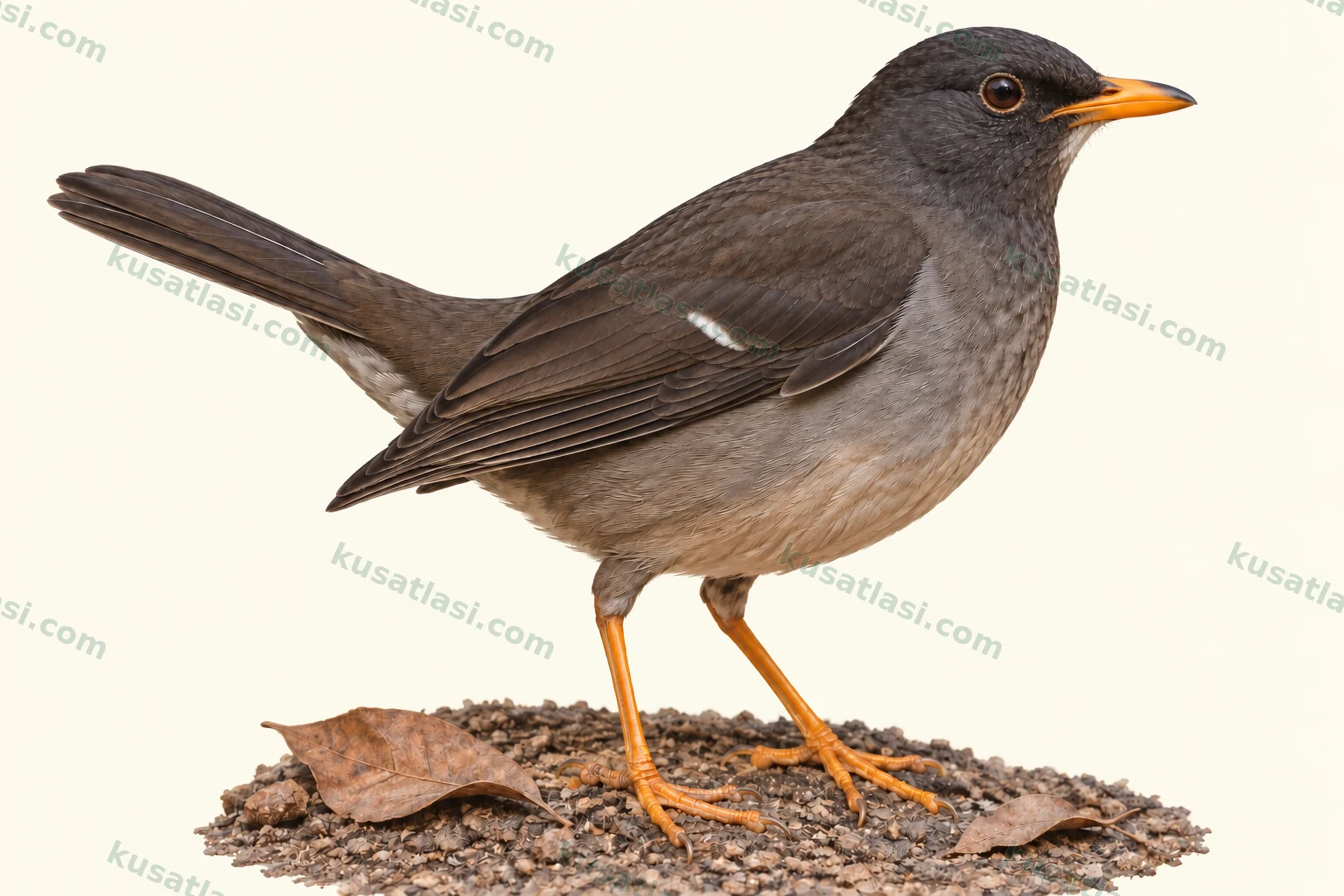
Endemic Jamaican dark thrush identified by orange bill and legs and a small white wing line.
Biometrics
Length
Male24–27 cm
Female24–27 cm
Shared species value
Wing length
Male11.71 cm
Female11.71 cm
Shared species value
Weight
Male82 g
Female82 g
Shared species value
White-chinned Thrush
JamaicaObservation guide in its natural range
Look for three features together
Do not rely on a single featureYellow-orange; black bill tip.
Small white line on the folded wing.
Small white patch, not always easy to see.
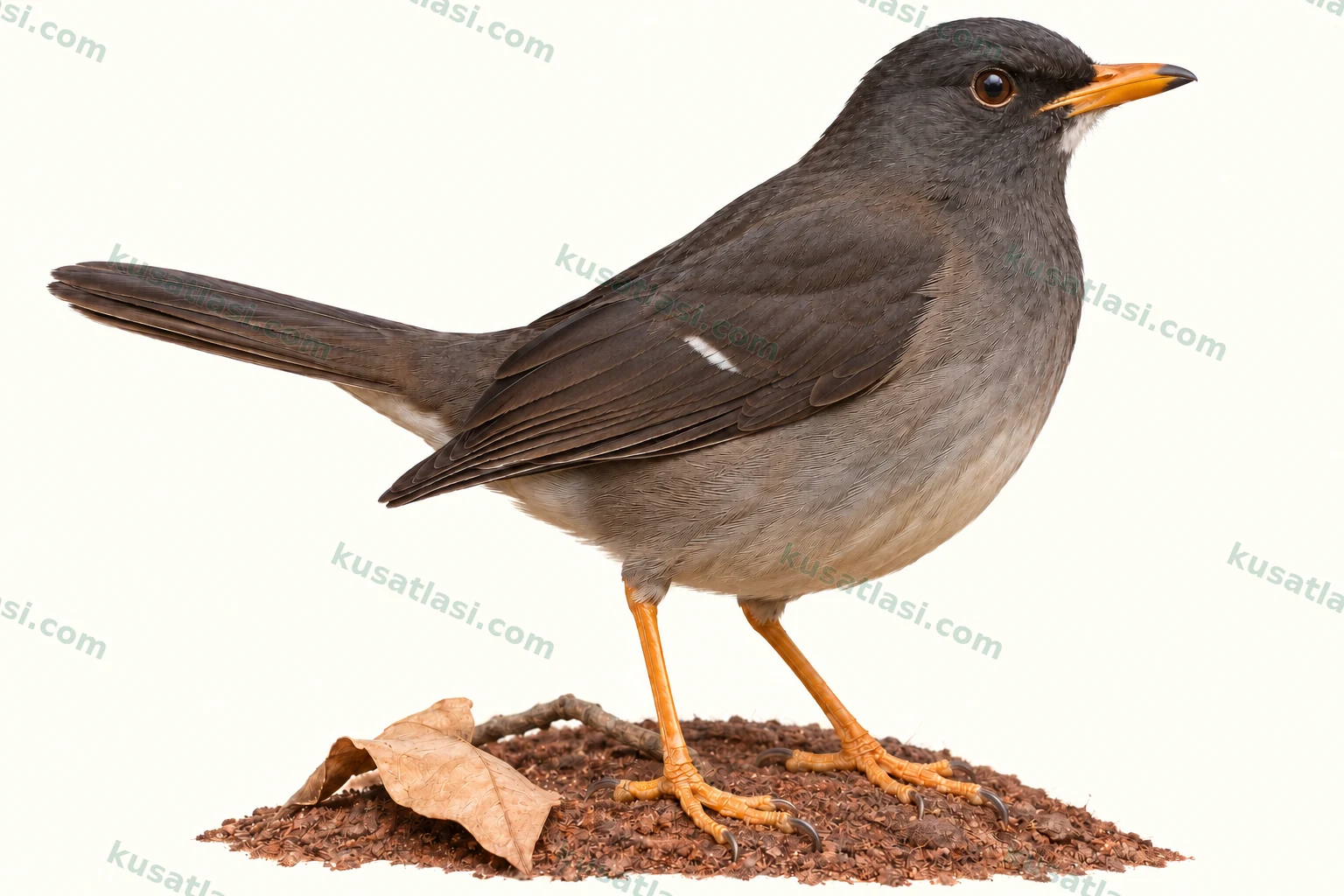
Compare male and female
 FemaleMale
Adult sexes similar; young heads and flanks more rufous.
Where to look in its natural range?
Ground in wooded hills, forest edges and well-vegetated gardens.
Endemic to Jamaica; adults resident. Specialist account: May–July breeding, August in second nesting.
All months: Data unavailable
January
February
March
April
May
June
July
August
September
October
November
December
Nest, egg and incubation
Jamaican specialist account: cup nest, 2–4 eggs and 16-day incubation; fledging period unverified.
Slightly rising pweet call and variable sweet-noted song.
Do not play recordings to attract birds; observe quietly, especially near nests.
Species information
Quick identification
White-chinned Thrush Turdus aurantius is Jamaica's endemic dark ground-feeding thrush. Orange bill and legs together with the short white upperwing line aid identification. The small white chin may be inconspicuous at a distance. White-chinned Thrush denotes the same species in English.
General appearance and posture
The front of the head and nape are sooty dark, the back grey-brown. Underparts have paler grey and pale brown tones. White edges of wing coverts form a small mirror-like patch on the folded wing. The bill is yellow-orange with a black tip; the iris is brown. A ground-moving bird's legs also appear yellow-orange.
Males, females and young birds
Adult sexes look similar. Young birds have rufous-brown on the head and upper back and warmer brown on the breast and flanks. The white chin may be poorly developed. An older museum account likewise describes young heads and underparts as more rufous than adults; this does not justify copying other thrushes' heavily spotted juveniles here.
Appearance in flight
When disturbed it may escape in quick low flight. The white wing area helps; do not expect a chin view in a brief escape. The underwing is dark grey with white along the trailing edge. Shade and movement may conceal these small marks.
Voice and behaviour
A frequent call is a slightly rising “pweet” or “poooweet”. The song has variable sweet notes. Usually alone or paired, it may join loose small groups. An anxious bird may raise and flick its tail and droop its wings. It searches the ground beneath shrubs and trees.
Similar species
Jamaica's White-eyed Thrush Turdus jamaicensis may be shyer; compare its pale eye and dark bill. White-chinned Thrush's orange bill and legs form a more obvious combination. Assess eye, bill, wing and ground behaviour together; the white chin spot alone is insufficient.
World distribution
It is endemic to Jamaica. Current taxonomy accepts one subspecies. Wooded hills and mountains are the main range, with occurrences on the north coast and some southwestern lowlands too. The specialist account reports encounters from sea level to about 1800 m. Island records do not extend its natural range to neighbouring islands.
Status within its natural range
The checked global assessment category is Least Concern. Gardens and plantations alongside forests show use of altered woodland. This does not mean all habitat loss is harmless; examined sources supplied no current total population count.
Movements
Adults are considered resident. The specialist account suggests some first-year birds may descend to lower areas in winter. This is movement in elevation within the island; no regular route from Jamaica to another country was verified.
Breeding habitat
It uses wooded Jamaican hills, forest edges and well-vegetated gardens. Citrus and banana plantations, scrub and wooded pasture are also habitat. Ground cover beside nearby trees and shrubs combines feeding and shelter.
Nest site
The specialist account places breeding mainly in May–July, with second nesting possibly extending into August. A broad cup of leaves, fibres and twigs is lined with finer material. Shrubs, tree forks, bromeliads, palm bases or hollow logs may be used. Clutch size is 2–4 eggs and reported incubation 16 days. Fledging time was not verified.
Daily use of space
Much feeding occurs on the ground. The bird may investigate leaf litter, open soil patches and animal droppings. Song is especially prominent at dawn. A garden sighting does not mean every individual nests near buildings.
What does it eat?
It eats slugs, snails, worms, insects and larvae, and fruit. The specialist account also reports vertebrates such as small lizards. It is therefore neither solely frugivorous nor solely insectivorous. Accessible sources did not provide seasonal proportions safely applicable to the entire population.
How does it forage?
It mainly searches ground litter and cover. Young may receive small invertebrates and lizards. Searching a patch and moving briefly to another does not imply dependence on open grassland; ground beneath forest and gardens is also used.
A thrush unique to Jamaica
Endemic means only that island lies within the natural range. Living in gardens and plantations does not change that status. Comparison with Jamaica's shyer White-eyed Thrush reveals two thrushes' different identification marks in the same geography.
Small chin patch, more visible wing patch
The English name stresses the white chin, but this small area may easily be missed on a ground-moving bird. The folded wing's white line, together with orange bill and legs, is a more practical combination.
Young birds' elevation movements
The Jamaican specialist account mentions possible winter descent by young. This need not conflict with adult residency. Adults' and young birds' annual space use are assessed separately; no movement distance or share of all young is given without a study tracking individuals.